Author

Noah

Browsing

Indulgent Yet Wholesome: Your Ultimate Guide to Healthy Chocolate Cake

Welcome to your new favorite healthy chocolate cake recipe! This indulgent yet wholesome cake is not just a dessert; it’s a celebration of flavor and nutrition. Perfect for any occasion, this recipe is designed to be easy to make while delivering rich, satisfying taste. Whether you’re hosting a gathering or simply treating yourself, this cake will make your kitchen feel like a warm embrace, inviting you to enjoy every bite.

In this guide, we will dive deep into everything you need to know about making a healthy chocolate cake that’s both delicious and nourishing. From ingredient breakdowns to pro tips, troubleshooting, and more, you will leave with confidence to bake this cake again and again.

Why You’ll Love This Recipe

  • Rich Flavor: This cake features high-quality cocoa powder, ensuring a deep chocolate flavor that satisfies your cravings.
  • Healthier Ingredients: Made with whole-grain flour and natural sweeteners, this cake is a guilt-free indulgence.
  • Customizable Options: Whether you prefer vegan, gluten-free, or lower sugar, there are substitutions available to fit your dietary needs.
  • Easy to Make: With straightforward steps, you can whip up this cake in no time, even if you’re a beginner in the kitchen.
  • Perfect for Any Occasion: From birthdays to casual get-togethers, this cake is versatile enough for any celebration.

Ingredients Breakdown

Let’s explore the ingredients that make this cake not only healthy but also deliciously satisfying. Here’s what you’ll need:

  • 1 cup honey or 2 cups coconut sugar or 2 cups granulated sugar: Choose your preferred sweetener—honey adds moisture, while coconut sugar provides a lower glycemic index.
  • 1 ¾ cups whole spelt flour or whole wheat flour or all-purpose flour: Whole spelt is a great option for added nutrients and fiber.
  • ¾ cup cocoa powder: Preferably Dutch-process for a richer flavor.
  • 1 ½ teaspoons baking powder: This helps the cake rise beautifully.
  • 1 ½ teaspoons baking soda: Works alongside the baking powder for a fluffy texture.
  • 1 teaspoon salt: Enhances the flavors of the chocolate.
  • 2 large eggs or 2 chia eggs (for vegan): Chia eggs provide moisture and binding, perfect for a plant-based option.
  • 1 cup milk of choice: Dairy, almond, or oat milk works well.
  • ½ cup olive oil or another neutral oil: Adds moisture without overpowering flavors.
  • 2 teaspoons vanilla extract: This adds warmth and depth to the flavor.
  • 1 cup boiling water: This helps meld the flavors and achieve a moist cake.

For the frosting:

  • Flesh of 1 avocado: Creates a creamy base for a healthier frosting.
  • ½ cup cocoa powder: Enhances the chocolatey goodness.
  • ½ cup maple syrup: Acts as a natural sweetener.
  • 1 teaspoon vanilla extract: Adds a lovely aroma.
  • ¼ teaspoon salt: Balances the sweetness.
  • 2 tablespoons refined coconut oil: Helps solidify the frosting for a perfect spread.

How to Make Your Healthy Chocolate Cake

Side angle of a delicious chocolate cake, showcasing its rich layers and glossy frosting.

Follow these simple steps to create your decadent yet healthy chocolate cake:

  1. Preheat the oven: Set to 325°F (167°C) if using honey, or 350°F (175°C) if using sugar. Prepare two 8-inch round cake pans by lining the bottoms with parchment paper and greasing the sides.
  2. Mix the dry ingredients: In a large bowl, whisk together the sugar (if using granulated or coconut), flour, cocoa powder, baking powder, baking soda, and salt until thoroughly combined.
  3. Combine wet ingredients: Add the eggs (or chia eggs), milk, honey (if using), olive oil, and vanilla extract to the dry mixture. Mix for 2 minutes on medium speed or whisk vigorously by hand until well incorporated. Carefully stir in the boiling water to form a smooth batter.
  4. Bake the cake: Divide the batter evenly between the prepared cake pans. Bake for 25-30 minutes, or until a toothpick inserted into the center comes out clean or with a few moist crumbs.
  5. Cool the cakes: Allow the cakes to cool completely in the pans for about 1 hour.
  6. Prepare the frosting: While the cake cools, blend the avocado flesh, cocoa powder, maple syrup, vanilla extract, salt, and refined coconut oil in a blender or food processor until smooth and creamy.
  7. Assemble the cake: Once cooled, gently remove the cake layers from the pans. Spread a layer of avocado chocolate frosting on top of the first layer, then place the second layer on top. Frost the top and sides of the entire cake.

Pro Tips for Success

  • Room temperature ingredients: Ensure your eggs and milk are at room temperature to create a smoother batter.
  • Don’t overmix: Mix just until combined to avoid a dense cake.
  • Check your oven temperature: Use an oven thermometer to ensure accurate baking temperatures.
  • Chill the frosting: If the frosting is too runny, chill it for a few minutes before spreading.
  • Layering technique: Use a serrated knife to level the tops of your cakes if they dome while baking.
  • Flavor enhancements: Add a pinch of espresso powder to the batter for a deeper chocolate flavor.
  • Use quality cocoa: The type of cocoa powder can significantly affect the taste; choose high-quality brands for the best results.
  • Experiment with add-ins: Consider mixing in chocolate chips or nuts for added texture.

Common Mistakes and Troubleshooting

Here are some common pitfalls to avoid:

  • Overbaking: Keep an eye on your cake during the final minutes of baking; every oven is different.
  • Too dry or too wet: Adjust the amount of flour based on humidity; a dry climate may require slightly less flour.
  • Frosting issues: If your frosting is too thick, add a teaspoon of milk to reach the desired consistency.
  • Not cooling completely: Frosting a warm cake can cause the frosting to melt and slide off.

Creative Variations to Try

Here are some ideas to customize your healthy chocolate cake:

  • Mint Chocolate Cake: Add 1 teaspoon of peppermint extract to the batter for a refreshing twist.
  • Chocolate Orange Cake: Incorporate the zest of one orange into the batter for a citrusy flavor.
  • Nutty Chocolate Cake: Mix in ½ cup of chopped walnuts or pecans for added crunch.
  • Spicy Chocolate Cake: Add a pinch of cayenne pepper or cinnamon for a subtle kick.

Storage and Make-Ahead Instructions

This healthy chocolate cake can be stored and made ahead of time:

  • Room temperature: Keep in an airtight container for up to 3 days.
  • Refrigerator: Store in the fridge for up to a week. Allow to come to room temperature before serving for optimal flavor.
  • Freezer: Freeze the unfrosted cake layers for up to 3 months. Thaw in the fridge overnight before use.

Frequently Asked Questions (FAQ)

  • Can I use a different type of flour? Yes, you can use gluten-free flour or almond flour as alternatives.
  • Is this recipe vegan? Yes, simply replace the eggs with chia eggs as mentioned.
  • What can I substitute for honey? Maple syrup or agave syrup are great alternatives.
  • Can I use a different sweetener? Yes, feel free to use stevia or monk fruit sweetener, but adjust the quantity to taste.
  • How long does the cake last? The cake stays fresh for up to 5 days in the fridge.
  • Can I make cupcakes instead? Absolutely! This recipe can be adapted for cupcakes, reducing baking time to 18-20 minutes.
  • What’s the best way to frost the cake? Use an offset spatula for smooth, even frosting.
  • How can I make it more chocolatey? Consider adding chocolate chips to the batter or increasing the cocoa powder slightly.

Nutrition Tips and Dietary Adaptations

To boost the healthiness of this cake further:

  • Use whole grain flour: Whole wheat or spelt flour adds fiber and nutrients.
  • Incorporate fruits: Adding mashed bananas or applesauce can enhance moisture and sweetness without additional sugar.
  • Watch the portion sizes: Enjoying smaller slices can help manage sugar intake while still satisfying your sweet tooth.

Equipment Recommendations

Here are a few tools that make baking this cake easier:

  • Two 8-inch round cake pans: Essential for even baking and easy stacking.
  • Mixing bowls: A large bowl for dry ingredients and a medium bowl for wet ingredients.
  • Electric mixer: Optional but can save time when mixing the batter.
  • Spatula: For smooth frosting application and scraping down the sides of the bowl.
  • Cooling rack: Allows the cake to cool evenly without becoming soggy.

Serving Suggestions

When it comes to serving your healthy chocolate cake, consider:

  • Fresh berries: Serve with strawberries or raspberries for a burst of freshness.
  • Ice cream: A scoop of vanilla or coconut ice cream pairs wonderfully.
  • Chocolate drizzle: A light drizzle of melted dark chocolate can elevate the presentation.
  • Mint leaves: Garnish with fresh mint for a pop of color and flavor.

In conclusion, this healthy chocolate cake is more than just a recipe; it’s a journey into the world of delightful, nourishing desserts. By incorporating wholesome ingredients and following the steps outlined, you’ll create a cake that not only satisfies your sweet tooth but also aligns with your health goals. So, gather your ingredients and let your kitchen become a canvas for delicious creativity!

Healthy Chocolate Cake

Prep Time 20 minutes
Cook Time 30 minutes
Total Time 50 minutes
Servings 8 pieces
Calories 350
A moist and rich chocolate cake made with wholesome ingredients and topped with a creamy avocado frosting, perfect for a healthy indulgence.

Ingredients

Sweeteners

  • 1 cup honey (or 2 cups coconut sugar or granulated sugar)
  • 1 3/4 cups whole spelt flour (or whole wheat, white whole wheat, all-purpose, or gluten-free flour)
  • 3/4 cup cocoa powder (preferably Dutch-process)
  • 1 1/2 teaspoons baking powder
  • 1 1/2 teaspoons baking soda
  • 1 teaspoon salt
  • 2 large eggs (or 2 chia eggs for vegan)
  • 1 cup milk of choice
  • 1/2 cup olive oil (or another neutral vegetable oil)
  • 2 teaspoons vanilla extract
  • 1 cup boiling water

Frosting

  • 1/2 cup Dutch-process cocoa powder
  • 2 tablespoons maple syrup
  • 1 teaspoon vanilla extract
  • 1/4 teaspoon salt
  • 2 tablespoons refined coconut oil

Additional

  • 1 avocado flesh of 1 avocado

Instructions 

  • Preheat oven to 325°F (167°C) if using honey, or 350°F (175°C) if using sugar. Line and grease two 8-inch round pans.
  • Mix dry ingredients: flour, cocoa powder, baking powder, baking soda, and salt.
  • Add eggs or chia eggs, milk, honey or sugar, oil, and vanilla. Mix for 2 minutes, then stir in boiling water.
  • Divide batter into pans and bake for 25-30 minutes. Cool completely.
  • Prepare frosting by blending avocado, cocoa powder, maple syrup, vanilla, salt, and coconut oil until smooth.
  • Assemble cake: spread frosting between layers, then cover top and sides. Serve and enjoy!
Notes

For a vegan version, substitute eggs with chia eggs and ensure all ingredients are plant-based.
Calories: 350kcal
Cost: $15
Course: Dessert
Keyword: Chocolate, Healthy, Vegan

Discover the Comfort of Nourishing Rice Pudding

Are you ready to dive into a warm, comforting dessert that brings back memories of home? Rice pudding is a timeless classic, and it’s perfect for anyone looking for a cozy treat. This nourishing rice pudding recipe is not only simple to make but also features a delightful twist with plant-based ingredients. Whether you’re cooking for yourself or sharing with loved ones, this recipe is bound to become a favorite in your kitchen.

Why You’ll Love This Recipe

  • Simple ingredients: Only a handful of ingredients come together to create a creamy, satisfying dessert that you can whip up in no time.
  • Plant-based goodness: This recipe is entirely dairy-free and vegan-friendly, making it accessible for everyone, including those with dietary restrictions.
  • Versatile flavor options: You can customize the flavors to suit your taste—think of adding fruits, spices, or even a hint of citrus.
  • Perfect for meal prep: Make a large batch and enjoy it as a comforting breakfast or snack throughout the week.
  • Rich in nutrients: Packed with wholesome ingredients, this rice pudding is a nourishing treat that satisfies your sweet tooth without sacrificing health.

Ingredients Breakdown

Here’s what you’ll need for this delightful rice pudding:

  • 2 cups cooked white rice: Jasmine or basmati rice works best for a fluffy texture.
  • 2 cups unsweetened plant-based milk: Almond milk, oat milk, or coconut milk are all great options to achieve the creaminess you desire.
  • 1/2 cup plant-based heavy cream alternative: This adds extra richness; consider coconut cream for a tropical twist.
  • 1/4 cup maple syrup or agave nectar: Use this natural sweetener to complement the flavors without overpowering them.
  • 1 teaspoon vanilla extract: Essential for enhancing the overall flavor of your pudding.
  • 1/2 teaspoon cinnamon: Adds warmth and a hint of spice to your dessert.
  • 1/4 teaspoon salt: A pinch of salt balances the sweetness beautifully.
  • Zest of 1/2 lemon: Brightens up the pudding and adds a refreshing note.
  • 1/4 cup raisins or chopped dates: Optional, but they bring a lovely sweetness and texture.

Step-by-Step Instructions

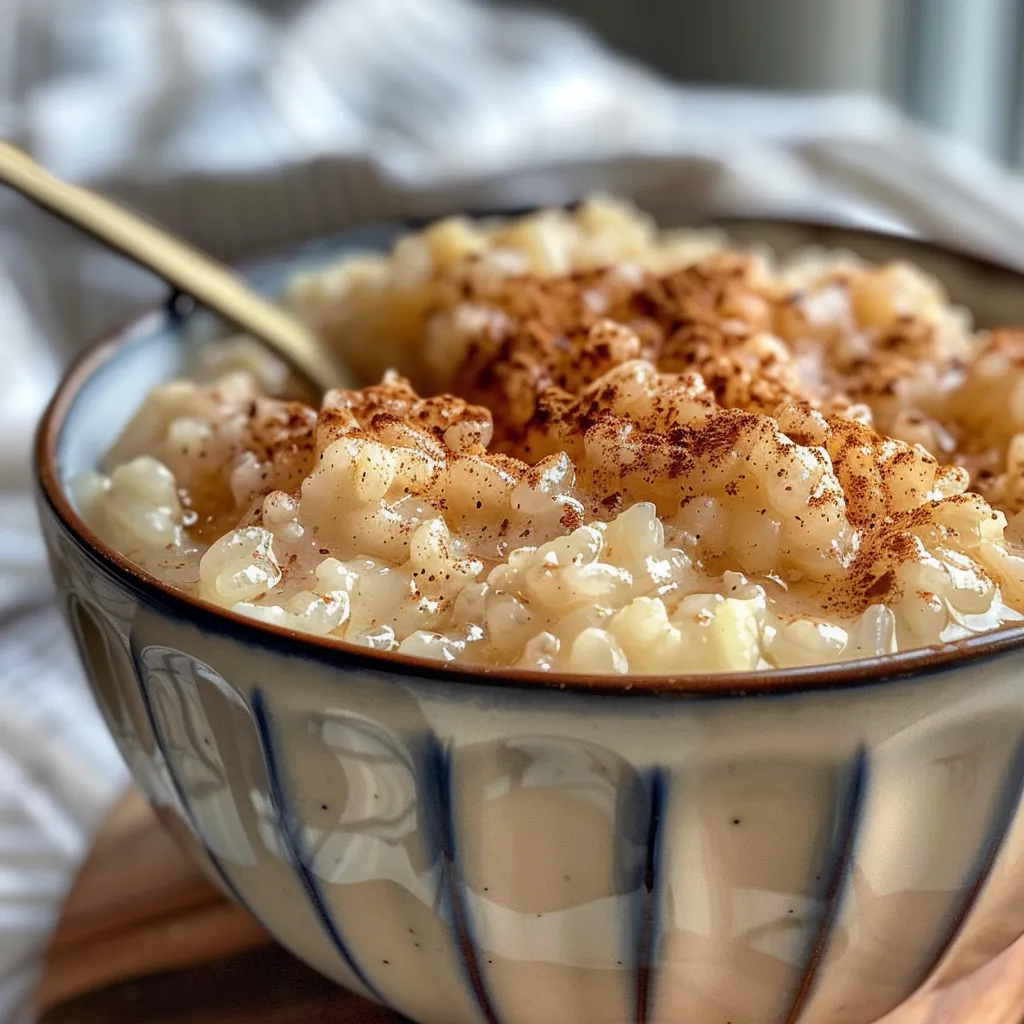
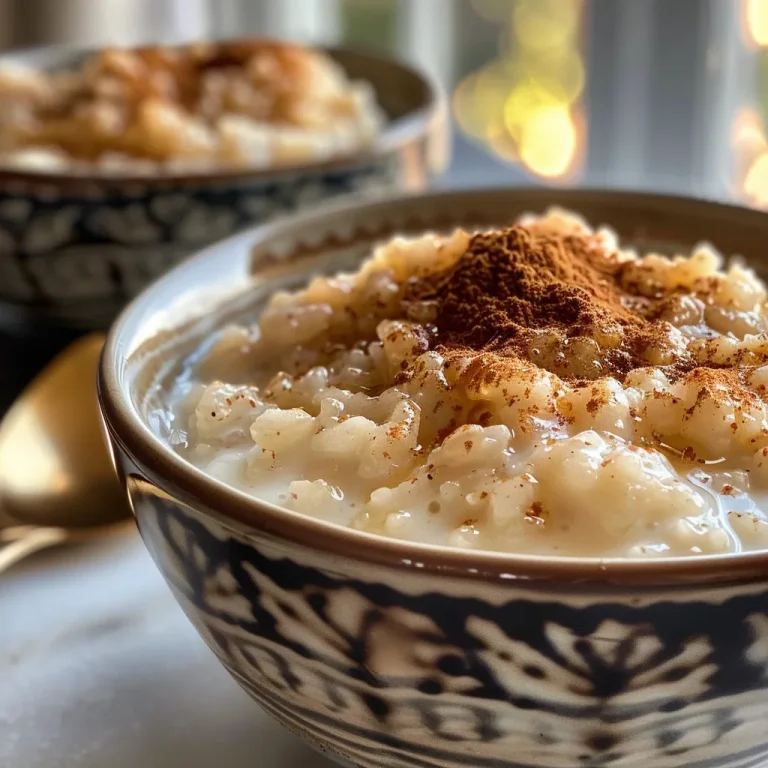
Side view of a bowl of rice pudding made with plant-based ingredients and garnished with cinnamon.

Follow these simple steps to create your nourishing rice pudding:

  • In a medium saucepan, combine the plant-based milk, plant-based heavy cream, maple syrup, vanilla extract, cinnamon, and salt. Whisk everything together over medium heat.
  • Stir occasionally to prevent the mixture from sticking to the bottom of the pan while it warms up.
  • Once warm, stir in the cooked rice. Reduce the heat to low and stir frequently.
  • Continue cooking for 10-12 minutes, stirring often to ensure the rice doesn’t stick to the bottom.
  • When the pudding reaches your desired thickness, stir in the lemon zest and raisins (if using).
  • Remove from heat and let the pudding cool slightly. Serve warm for a cozy treat or refrigerate for a chilled dessert.

Pro Tips for Perfect Rice Pudding

  • Use leftover rice: This recipe is a fantastic way to utilize leftover rice from previous meals.
  • Adjust sweetness: Feel free to modify the amount of maple syrup to suit your taste preferences.
  • Experiment with spices: Try adding nutmeg or cardamom for different flavor profiles.
  • Stir often: Stirring frequently helps to achieve a creamy texture and prevents sticking.
  • Thicker pudding: For a thicker consistency, let it simmer a bit longer.
  • Serving suggestions: Top with fresh fruit, nuts, or a drizzle of additional maple syrup for extra flavor.
  • Chill before serving: If you prefer a chilled dessert, allow it to cool completely in the fridge before serving.
  • Presentation matters: Serve in individual bowls or jars for a beautiful presentation.

Common Mistakes and Troubleshooting

Here are some common pitfalls and how to avoid them:

  • Too runny: If your pudding is too runny, try simmering it longer to thicken it up.
  • Sticking to the pan: Ensure you’re stirring often, and consider using a non-stick saucepan for easier cooking.
  • Overly sweet: Start with less maple syrup and adjust to your taste. You can always add more!
  • Flavor imbalance: If it tastes flat, a pinch more salt or a splash of vanilla can enhance the overall flavor.

Delicious Variations to Try

Feel free to get creative with these variations:

  • Chocolate Rice Pudding: Add cocoa powder or chocolate chips for a rich twist.
  • Fruit-Infused Pudding: Stir in fresh fruits like berries or chopped apples for a fruity flavor.
  • Nutty Delight: Incorporate chopped nuts like almonds or pecans for added crunch and health benefits.
  • Matcha Rice Pudding: Stir in matcha powder for an earthy flavor and vibrant color.

Storage and Make-Ahead Instructions

This rice pudding can be made ahead of time and stored for later:

  • Refrigeration: Store leftover rice pudding in an airtight container in the fridge for up to 5 days.
  • Freezing: You can freeze the pudding for up to 3 months; reheat gently on the stove or in the microwave.
  • Serving chilled: If you prefer chilled rice pudding, let it cool completely before refrigerating.

Frequently Asked Questions

  • Can I use brown rice instead of white rice? Yes, brown rice can be used for a nuttier flavor and added fiber.
  • Is this rice pudding gluten-free? Absolutely! All the ingredients are gluten-free, making it suitable for those with gluten sensitivities.
  • Can I use sugar instead of maple syrup? Yes, you can substitute granulated sugar or any sweetener of your choice.
  • How can I make this recipe lower in calories? Consider using less sweetener or a lower-calorie plant-based milk.
  • What can I add for extra flavor? Try adding spices like nutmeg or vanilla bean for a unique taste.
  • Can I make this in advance? Yes, rice pudding can be made ahead and stored in the refrigerator or freezer.
  • What’s the best way to reheat rice pudding? Gently reheat in a saucepan over low heat, adding a splash of plant-based milk if necessary.
  • Is this recipe suitable for kids? Yes, it’s a great dessert for kids and can be enjoyed as a healthy snack!

Nutritional Tips and Dietary Adaptations

This nourishing rice pudding can be adapted to fit various dietary needs:

  • Vegan-friendly: The recipe uses all plant-based ingredients, making it perfect for a vegan diet.
  • Gluten-free: All ingredients are gluten-free, suitable for gluten-sensitive individuals.
  • Nut-free option: Use oat milk and avoid adding nuts for a nut-free version.
  • Low-sugar version: Reduce or omit the sweetener for a lower-sugar option.

Equipment Recommendations

To make this rice pudding, you’ll need:

  • Medium saucepan: Ideal for cooking and simmering your ingredients together.
  • Whisk: For combining ingredients smoothly and evenly.
  • Measuring cups and spoons: To ensure accurate ingredient measurements for the best results.
  • Storage containers: Airtight containers for keeping leftovers fresh in the fridge or freezer.

Serving Suggestions

Enhance your rice pudding experience with these serving ideas:

  • Fresh fruit: Top with sliced bananas, berries, or peaches for a fruity kick.
  • Nuts or seeds: Add a sprinkle of chopped almonds, walnuts, or chia seeds for crunch.
  • Drizzle of syrup: A touch of maple syrup or honey on top can elevate the dessert.
  • Spices: A dash of cinnamon or nutmeg sprinkled on top for added warmth.

Final Thoughts

Cooking should be a joyful and rewarding experience, and this rice pudding recipe embodies that spirit. With its creamy texture and delightful flavors, it offers a comforting experience that is both nourishing and satisfying. Whether you enjoy it warm or chilled, this recipe is sure to bring a smile to your face and warmth to your heart. So, gather your ingredients and embrace the joy of cooking—your perfect rice pudding awaits!

Healthy Rice Pudding

Prep Time 10 minutes
Cook Time 12 minutes
Total Time 22 minutes
Servings 4 servings
Calories 250
A creamy and wholesome rice pudding made with plant-based ingredients, perfect for a comforting dessert or snack.

Ingredients

Rice

  • 2 cups cooked white rice (jasmine or basmati)

Liquid

  • 2 cups unsweetened plant-based milk
  • 0.5 cup plant-based heavy cream alternative

Sweetener

  • 0.25 cup maple syrup or agave nectar

Flavorings & Spices

  • 1 teaspoon vanilla extract
  • 0.5 teaspoon cinnamon
  • 0.25 teaspoon salt
  • 1 piece lemon zest of 1/2 lemon

Add-ins

  • 0.25 cup raisins or chopped dates

Instructions 

  • Combine plant-based milk, heavy cream, maple syrup, vanilla, cinnamon, and salt in a saucepan. Heat over medium, whisking until warm.
  • Stir in the cooked rice and reduce heat to low. Cook for 10-12 minutes, stirring often.
  • Once thickened, remove from heat and stir in lemon zest and raisins or dates.
  • Let cool slightly before serving warm or refrigerate for a chilled dessert.

Notes

For extra flavor, add a pinch of nutmeg or cardamom.
Calories: 250kcal
Cost: $10
Course: Dessert
Cuisine: Fusion
Keyword: Healthy, plant-based, rice

Indulgent Chocolate Chip Banana Bread: Your New Favorite Recipe

Welcome to the heart of your kitchen, where we create comforting and delightful meals that bring joy to your everyday life. Today, we’ll embark on a journey to make the most indulgent chocolate chip banana bread—a recipe that’s not only easy to follow but also incredibly rewarding. Perfect for breakfast, a cozy afternoon snack, or even dessert, this banana bread is destined to become a staple in your home. With the right balance of ripe bananas and rich chocolate chips, you’ll discover how to create a loaf that’s moist, flavorful, and utterly satisfying.

Why You’ll Love This Recipe

  • Irresistible Flavor: The combination of sweet, ripe bananas and rich chocolate chips makes every bite a delight.
  • Simple Ingredients: You likely have most of the ingredients at home, making it a convenient choice for last-minute baking.
  • Quick to Prepare: With just a few minutes of prep time, you can have your batter ready to bake in no time.
  • Perfectly Moist: The inclusion of both butter and oil ensures a moist texture that’s hard to resist.
  • Versatile Recipe: This banana bread is easily adaptable, allowing you to add nuts, dried fruits, or even swap in different types of chocolate.

Ingredients Breakdown

Below is a detailed list of ingredients you’ll need to create this scrumptious chocolate chip banana bread. Don’t worry if you don’t have everything on hand; I’ve included some helpful substitutions!

  • All-purpose flour: 1 1/2 cups (180g). This forms the base of your bread. You can substitute with whole wheat or gluten-free flour.
  • Baking soda: 1 teaspoon. This helps the bread rise and creates a light texture.
  • Salt: 1/2 teaspoon. Enhances flavor and balances sweetness.
  • Unsalted butter: 1/2 cup (115g), melted and cooled slightly. For a dairy-free version, use coconut oil or a vegan butter substitute.
  • Vegetable oil: 1/4 cup (60mL). Adds moisture; you can replace it with melted coconut oil for a tropical twist.
  • Granulated sugar: 3/4 cup (150g). Sweetens the bread; brown sugar can be used for a deeper flavor.
  • Large eggs: 2, at room temperature. Binds the ingredients together; for an egg-free version, use flaxseed meal or applesauce.
  • Vanilla extract: 1 teaspoon. Adds a lovely aroma and depth of flavor.
  • Mashed ripe bananas: 1 1/2 cups (360g), approximately 3-4 medium bananas. The riper, the better! Overripe bananas are sweeter and add more moisture.
  • Semi-sweet chocolate chips: 1 cup (170g). Feel free to use dark or milk chocolate, or even chopped chocolate for a more gourmet touch.

How to Make Chocolate Chip Banana Bread

Side view of deliciously baked banana bread loaded with chocolate chips.

Let’s dive into the steps to create this delightful banana bread. Follow along, and remember: it’s all about enjoying the process!

  1. Preheat your oven to 350°F (175°C). Grease a 9×5-inch loaf pan and line it with parchment paper, leaving some overhang to help with removal later.
  2. In a small bowl, whisk together the flour, baking soda, and salt. This ensures that your dry ingredients are evenly distributed.
  3. In a large mixing bowl, whisk together the melted butter, vegetable oil, sugar, eggs, and vanilla extract until well combined and smooth.
  4. Gently fold the mashed bananas into the wet ingredients until fully incorporated.
  5. Gradually add the dry ingredients to the wet mixture. Stir just until combined; be careful not to overmix, as this can lead to a denser bread.
  6. Fold in the chocolate chips—this is where the magic happens!
  7. Pour the batter into your prepared loaf pan and smooth the top with a spatula.
  8. Bake for 50 to 60 minutes, or until a skewer inserted into the center comes out with a few moist crumbs. If the top is browning too quickly, tent it loosely with foil.
  9. Allow the bread to cool in the pan for about 10 minutes before transferring it to a wire rack to cool completely. This will help it set and make slicing easier.

Expert Tips for Perfect Banana Bread

To ensure your chocolate chip banana bread turns out perfectly every time, keep these expert tips in mind:

  • Use overripe bananas: The sweeter the bananas, the better your bread will taste. Look for bananas with lots of brown spots.
  • Don’t overmix: Mixing just until combined keeps the bread tender and light. Overmixing can lead to a tough loaf.
  • Cool before slicing: Let the bread cool completely to avoid gummy slices. It’s tempting, but patience pays off.
  • Experiment with flavors: Add spices like cinnamon or nutmeg for a warm twist, or swap in peanut butter chips for a different flavor.
  • Check for doneness: Ovens can vary; start checking your bread at the 50-minute mark to avoid overbaking.
  • Store properly: Keep your banana bread in an airtight container at room temperature to maintain moisture.
  • Make it ahead: This banana bread freezes beautifully. Wrap it tightly in plastic wrap and then aluminum foil for up to 3 months.
  • Use a food scale: For accuracy in baking, especially with flour, using a scale can help you achieve the best results.

Common Mistakes and Troubleshooting

Even the best bakers encounter hiccups. Here are some common mistakes and how to avoid them:

  • Dense bread: This usually happens from overmixing or not using enough ripe bananas. Make sure to mash them well and mix gently.
  • Dry texture: Overbaking or using too much flour can lead to dryness. Use the spoon and level method for measuring flour.
  • Uneven baking: If your loaf is browning too quickly, lower the oven temperature slightly and rotate the pan midway through baking.
  • Burnt edges: If the edges are browning before the center is cooked, cover the edges with foil to protect them while baking.

Variations to Try

Feel free to get creative with your banana bread! Here are a few variations to consider:

  • Nutty Banana Bread: Add 1/2 cup of chopped walnuts or pecans for a delightful crunch.
  • Dairy-Free Option: Substitute butter with coconut oil and use almond milk in place of eggs (1/4 cup unsweetened applesauce can be a great egg replacement).
  • Spiced Banana Bread: Add 1 teaspoon of cinnamon and a pinch of nutmeg for a warm, spiced flavor.
  • Chocolate Chip and Peanut Butter Swirl: Swirl in 1/2 cup of creamy peanut butter before baking for a delicious twist.

Storage and Make-Ahead Instructions

Proper storage will keep your banana bread fresh for days:

  • Room Temperature: Store in an airtight container for up to 3 days.
  • Refrigerate: For longer storage, you can refrigerate it for up to a week, though this may dry it out slightly.
  • Freeze: Wrap it tightly in plastic wrap and then aluminum foil to freeze for up to 3 months. Thaw overnight in the refrigerator before serving.

Frequently Asked Questions

Here are some FAQs to help you with your baking journey:

  • Can I use frozen bananas?: Yes, just thaw them and drain any excess moisture before mashing.
  • How can I tell when my banana bread is done?: A skewer inserted into the center should come out with a few moist crumbs, not wet batter.
  • Can I make mini loaves?: Absolutely! Adjust the baking time to about 25-30 minutes for mini loaves.
  • What can I serve with banana bread?: Enjoy it plain or with a spread of butter, cream cheese, or even nut butter.
  • How do I store leftover banana bread?: Keep it in an airtight container at room temperature for optimal freshness.
  • Can I add other mix-ins?: Yes! Feel free to mix in dried fruits, nuts, or different types of chocolate.
  • Is it okay to double the recipe?: Yes, just ensure your mixing bowl is large enough to handle the increased volume.
  • What’s the best way to reheat banana bread?: Slice and pop it in the toaster or microwave for a few seconds for a warm treat.

Nutritional Tips and Dietary Adaptations

Banana bread can be a delightful treat, but keeping it balanced is essential:

  • Portion Control: Enjoy a slice or two and pair it with protein-rich foods like yogurt or a handful of nuts for a satisfying snack.
  • Healthier Fats: Substitute half of the butter with applesauce for a lighter version without compromising flavor.
  • Whole Grain Option: Use 100% whole wheat flour for added fiber and nutrients.

Essential Equipment Recommendations

To make your baking experience smooth, here are a few tools I recommend:

  • 9×5-inch loaf pan: A must-have for baking the perfect banana bread.
  • Mixing bowls: A set of different sizes is handy for preparing and mixing your ingredients.
  • Measuring cups and spoons: Accurate measurements are key to baking success.
  • Rubber spatula: Great for folding in ingredients without overmixing.
  • Wire rack: Essential for cooling your bread evenly.

Serving Suggestions

When it comes to enjoying your banana bread, the possibilities are endless:

  • Toast it: Serve warm with a pat of butter or a drizzle of honey.
  • Add toppings: Top with sliced bananas, a sprinkle of cinnamon, or a dollop of yogurt.
  • Pair with beverages: Enjoy it with a cup of coffee, tea, or even a glass of milk for a comforting experience.

As we wrap up our journey through the world of chocolate chip banana bread, I hope you feel inspired to bake with confidence. Remember, cooking is not just about the final dish but the joy of creating something delicious. I invite you to take your time, enjoy the process, and share this delightful recipe with friends and family. Happy baking!

Super Moist Chocolate Chip Banana Bread Recipe

Prep Time 15 minutes
Cook Time 55 minutes
Total Time 1 hour 10 minutes
Servings 8 slices
Calories 350
This moist and flavorful banana bread is packed with chocolate chips, perfect for a quick snack or dessert.

Ingredients

Dry Ingredients

  • 2 cups all-purpose flour
  • 1 teaspoon baking soda
  • 0.5 teaspoon salt

Wet Ingredients

  • 0.5 cup unsalted butter, melted and cooled slightly
  • 0.25 cup vegetable oil
  • 0.75 cup granulated sugar
  • 2 large eggs (at room temperature)
  • 1 teaspoon pure vanilla extract

Bananas and Chips

  • 1.5 cups mashed ripe bananas (about 3-4 medium bananas)
  • 1 cup semi-sweet chocolate chips

Instructions 

  • Preheat oven to 350°F (175°C). Grease a 9x5-inch loaf pan and line with parchment paper.
  • Whisk together flour, baking soda, and salt. Set aside.
  • Mix melted butter, oil, sugar, eggs, and vanilla until combined. Add mashed bananas and mix.
  • Gently fold in dry ingredients just until combined, then fold in chocolate chips.
  • Pour batter into pan, bake for 50-60 minutes until a skewer comes out with moist crumbs. Cool before slicing.

Notes

For extra moistness, let the bread cool slightly before slicing.
Calories: 350kcal
Cost: $15
Course: Dessert
Cuisine: American
Keyword: Banana, chocolate chips

Indulge in a Guilt-Free Dessert: Flourless Black Cocoa and Chia Greek Yogurt Cake

Welcome to the delightful world of baking where simplicity meets indulgence. Today, we’re diving into a recipe that not only satisfies your sweet tooth but also brings a sense of comfort and nourishment to your kitchen: the Flourless Black Cocoa and Chia Greek Yogurt Cake. This easy-to-make cake combines rich flavors with wholesome ingredients, making it a guilt-free dessert option. With its deep chocolatey notes, tender crumb, and subtle sweetness, this cake is perfect for any occasion or even just as a delightful treat for yourself.

In this article, I’ll guide you through the entire process—from the ingredients you’ll need to expert tips for perfecting your bake. So, grab your apron, and let’s embark on this culinary journey together!

Why You’ll Love This Recipe

This Flourless Black Cocoa and Chia Greek Yogurt Cake isn’t just another dessert; it’s a celebration of flavor and nutrition. Here are five compelling reasons to love this recipe:

  • Gluten-Free Delight: Made with almond flour, this cake is naturally gluten-free, making it suitable for those with gluten sensitivities.
  • Rich Chocolate Flavor: The black cocoa powder imparts a deep, rich chocolate flavor that’s both indulgent and memorable.
  • Healthy Fats and Protein: Incorporating Greek yogurt adds creaminess and a boost of protein, making each slice feel satisfying.
  • Chia Power: Chia seeds not only enhance the texture but also contribute omega-3 fatty acids, fiber, and antioxidants.
  • Easy to Prepare: With straightforward steps and minimal ingredients, this recipe is beginner-friendly and perfect for busy days.

Ingredients You’ll Need

Before we start baking, let’s gather our ingredients. Here’s what you’ll need:

  • 2 cups (200 g) almond flour: This is the base of our cake, providing a moist texture and a nutty flavor.
  • ½ cup black cocoa powder: For an intense chocolate experience, black cocoa powder gives the cake its signature color and taste.
  • 1 tsp baking soda: This helps the cake rise and gives it a light texture.
  • ¼ tsp salt: Enhances the overall flavor of the cake.
  • ½ cup maple syrup or honey: A natural sweetener that adds moisture and flavor without refined sugars.
  • 3 large eggs: These provide structure and richness to the cake.
  • ½ cup plain Greek yogurt: Adds creaminess and a protein boost while keeping the cake moist.
  • 2 tbsp chia seeds: These will be bloomed and incorporated for added texture and nutrients.
  • 1 tsp vanilla extract: For a hint of warmth and sweetness.

Feel free to experiment with substitutions if needed. For instance, you can use honey instead of maple syrup or swap the almond flour for another nut flour if you prefer.

Step-by-Step Instructions to Bake Your Cake

A delicious-looking slice of black cocoa cake with chia seeds, presented on a rustic table.

Now that we have our ingredients ready, let’s dive into the baking process. Follow these steps for a perfectly baked Flourless Black Cocoa and Chia Greek Yogurt Cake:

Step 1: Prep Your Pan and Oven

Preheat your oven to 350°F (175°C) and prepare a 9-inch cake pan by lining it with parchment paper and lightly greasing it.

Step 2: Mix Dry Ingredients

In a large mixing bowl, whisk together the almond flour, black cocoa powder, baking soda, and salt until well combined.

Step 3: Combine Wet Ingredients

In another bowl, whisk together the eggs, maple syrup (or honey), Greek yogurt, chia seeds, and vanilla extract until smooth.

Step 4: Bloom the Chia Seeds

Allow the chia seeds to sit in the wet mixture for about 5 minutes. This will help them absorb moisture and create a lovely texture in the cake.

Step 5: Combine and Bake

Pour the wet ingredients into the bowl with the dry ingredients and mix until a thick batter forms. Transfer the batter into your prepared cake pan and bake for 28-32 minutes, or until a toothpick inserted into the center comes out with moist crumbs.

Step 6: Cool and Serve

Once baked, allow the cake to cool in the pan for about 10 minutes, then transfer it to a wire rack to cool completely. You can optionally dust it with powdered sugar or serve it with fresh berries for a delightful presentation.

How to Serve Your Flourless Black Cocoa and Chia Greek Yogurt Cake

Serving this cake can be a pleasurable experience on its own. Here’s how you can elevate your serving:

  • Garnishes: A light dusting of powdered sugar or cocoa powder, along with fresh berries, can enhance both the taste and visual appeal.
  • Pairings: Consider serving with a dollop of whipped cream or a scoop of vanilla ice cream for a decadent touch.
  • Creative Presentations: For a special occasion, slice the cake into wedges and serve on a platter, garnished with mint leaves for a pop of color.

Storage and Make-Ahead Instructions

This cake keeps well for a few days, making it a great make-ahead dessert. Here’s how to store it:

  • Room Temperature: Store covered at room temperature for up to 3 days.
  • Refrigeration: If you want to keep it longer, store it in the refrigerator for up to a week, ensuring it’s well covered.
  • Freezing: For longer storage, freeze individual slices wrapped in plastic wrap and aluminum foil. Thaw at room temperature when ready to enjoy.

Common Mistakes and Troubleshooting

Even the best bakers encounter challenges. Here are some common mistakes and how to avoid them:

  • Overmixing: Mixing too vigorously can lead to a dense cake. Stir gently until just combined.
  • Incorrect Oven Temperature: Make sure your oven is properly calibrated; an incorrect temperature can affect baking time and texture.
  • Underbaking: If the toothpick comes out too wet, give it a few extra minutes in the oven.

Variations to Try

Want to switch things up? Here are some delicious variations you can try:

  • Nutty Addition: Stir in ½ cup of chopped nuts (like walnuts or hazelnuts) for added crunch and flavor.
  • Fruit Infusion: Add 1 cup of fresh raspberries or sliced bananas into the batter for a fruity twist.
  • Spiced Up: For a warming flavor, add 1 tsp of cinnamon or a pinch of cayenne pepper to the dry ingredients.
  • Chocolate Chips: Fold in ½ cup of dark chocolate chips for extra indulgence and sweetness.

Nutrition Tips and Dietary Adaptations

This Flourless Black Cocoa and Chia Greek Yogurt Cake is not only delicious but also nutritious. Here are some tips to enhance its health benefits:

  • Low Sugar: Reduce the amount of maple syrup or honey to lower the sugar content further.
  • Dairy-Free Option: Substitute Greek yogurt with a dairy-free yogurt alternative to make it suitable for a vegan diet.
  • Protein Boost: For an additional protein kick, consider using protein-enriched almond flour.

Frequently Asked Questions

Here are some common questions about this recipe:

  • Can I use regular cocoa powder instead of black cocoa? Yes, but the flavor and color will be slightly different.
  • Is this cake suitable for a gluten-free diet? Absolutely! It’s made entirely with almond flour.
  • How long does this cake last? It can be stored for up to a week in the fridge or frozen for longer shelf life.
  • Can I make this cake ahead of time? Yes, it stores well and can be made a few days in advance.
  • What can I serve with this cake? It pairs wonderfully with whipped cream, ice cream, or fresh fruit.
  • Is it possible to substitute the eggs? You can use flax eggs or applesauce as a binder in egg-free versions.
  • Can I use another type of flour? Almond flour works best, but you may experiment with other nut flours.
  • What’s the best way to store leftovers? Keep them covered at room temperature or in the fridge for freshness.

Equipment Recommendations

To make your baking experience smoother, here are some essential tools you might need:

  • 9-inch Cake Pan: A sturdy, non-stick cake pan helps ensure even baking and easy release.
  • Mixing Bowls: Having two large mixing bowls is ideal for separating dry and wet ingredients.
  • Whisk: A good whisk is essential for achieving a smooth batter.
  • Measuring Cups and Spoons: Accurate measurements are key to baking success.

Conclusion

In conclusion, baking should be a joyous and fulfilling experience, and this Flourless Black Cocoa and Chia Greek Yogurt Cake embodies that philosophy. With its rich flavors, nutritious ingredients, and simple preparation, it’s a cake that you can feel good about enjoying. Whether it’s for a special occasion or just a sweet treat after dinner, I hope this recipe brings warmth and happiness to your kitchen. Remember, great food doesn’t have to be complicated—just thoughtful and made with love. Happy baking!

Flourless Black Cocoa and Chia Greek Yogurt Cake Recipe

Prep Time 10 minutes
Cook Time 30 minutes
Total Time 40 minutes
Servings 8 pieces
Calories 250
A rich, gluten-free cake combining black cocoa, chia seeds, and Greek yogurt for a moist, flavorful treat.

Ingredients

Dry ingredients

  • 200 g almond flour
  • ½ cup black cocoa powder
  • 1 tsp baking soda
  • ¼ tsp salt

Wet ingredients

  • ½ cup maple syrup or honey
  • 3 large eggs
  • ½ cup plain Greek yogurt
  • 2 tbsp chia seeds
  • 1 tsp vanilla extract

Instructions 

  • Preheat oven to 350°F (175°C) and line a 9-inch cake pan.
  • Mix dry ingredients in a bowl.
  • Whisk wet ingredients in another bowl.
  • Combine wet and dry, mix until thick batter forms.
  • Pour into pan and bake for 28-32 minutes; cool before serving.

Notes

Optional to dust with powdered sugar or serve with berries.
Calories: 250kcal
Cost: $12
Course: Dessert
Cuisine: Fusion
Keyword: Gluten-Free

Discover the Comfort of Coconut Chicken Curry

Welcome to a delightful journey where cooking becomes a warm embrace, inviting you to explore flavors that nourish both body and soul. This Coconut Chicken Curry recipe embodies the essence of simple, comforting meals that feel like home. In just a few steps, you’ll create a dish that combines tender chicken with creamy coconut milk and vibrant spices, perfect for any evening. Let’s dive into the details of this scrumptious recipe that will not only satisfy your taste buds but also instill confidence in your cooking skills.

Why You’ll Love This Recipe

This Coconut Chicken Curry is not just another recipe; it’s a celebration of flavors and textures that you’ll love for many reasons:

  • Comforting and Satisfying: This dish wraps you in warmth with its rich coconut flavor and tender chicken, making every bite a comforting experience.
  • Quick and Easy: With a preparation time of just 10 minutes and cooking time under 30, this recipe fits perfectly into your busy schedule.
  • Versatile Ingredients: The ingredients are simple and can be easily substituted based on what you have at home, making it accessible for everyone.
  • Perfect for Meal Prep: This curry keeps well in the fridge, allowing you to enjoy leftovers throughout the week.
  • Health Benefits: Rich in protein and healthy fats from coconut milk, it’s a balanced meal that’s both nutritious and delicious.

Ingredients Breakdown

Here’s what you’ll need to make this delightful Coconut Chicken Curry:

  • 500 g Chicken: Boneless chicken thighs work best for tenderness, but you can also use chicken breasts if preferred.
  • 50 ml Oil: Use vegetable or coconut oil for cooking. Olive oil is a great alternative too.
  • 200 ml Coconut Milk: Look for full-fat coconut milk for a creamier texture. Light coconut milk can be used for a lower fat version.
  • 1 Onion: Finely chopped; it forms the base of the flavor.
  • 2 Tomatoes: Diced; they add freshness and acidity to the dish.
  • 1 tsp Salt: Adjust to taste.
  • 1 tsp Chilli Powder: For a bit of heat; feel free to adjust based on your spice preference.
  • 1 tsp Turmeric Powder: Adds a beautiful golden color and earthy flavor.
  • 1 tsp Garlic Paste: Freshly made is best, but store-bought works too.
  • 1 tsp Ginger Paste: Fresh ginger adds warmth and depth to the curry.
  • 1 tsp Cumin Powder: For an aromatic flavor.
  • 100 ml Water: To adjust the consistency of the curry.
  • Coriander: Fresh coriander leaves for garnishing.

Feel free to mix and match based on what you have at home—this recipe is flexible and forgiving!

Steps to Create Your Coconut Chicken Curry

Side view of a delicious Coconut Chicken Curry, highlighting vibrant colors of spices and ingredients.

Follow these simple steps to create your dish:

  1. In a large bowl, combine the chicken with the salt, red chilli powder, turmeric powder, garlic paste, ginger paste, and cumin powder. Mix well and set aside to marinate.
  2. Heat oil in a pan over medium heat until hot. Add chopped onions and sauté until they turn golden brown.
  3. Add the marinated chicken to the pan and cook for about 10 minutes, stirring occasionally.
  4. Incorporate the diced tomatoes into the mixture, cover the pan, and let it cook for an additional 5 minutes until the tomatoes soften.
  5. Pour in the coconut milk and water, cover the pan again, and allow it to simmer for 15-20 minutes, or until the chicken is cooked through.
  6. Once done, garnish with fresh coriander leaves and serve warm with homemade naan or rice!

Pro Tips for Perfect Coconut Chicken Curry

Here are some expert insights to elevate your dish:

  • Marinate Longer: For deeper flavor, marinate the chicken for 2-3 hours or overnight in the fridge.
  • Use Fresh Ingredients: Fresh garlic and ginger make a significant difference in flavor compared to powdered versions.
  • Adjust Spice Levels: If you prefer a milder dish, reduce the amount of chilli powder or omit it entirely.
  • Texture Matters: For a chunkier curry, cut the chicken into larger pieces, allowing for a heartier bite.
  • Experiment with Herbs: Add fresh basil or mint alongside coriander for a refreshing twist.
  • Balance Flavors: If the curry is too rich, a squeeze of lemon juice can brighten the flavors.
  • Use a Heavy-Bottomed Pan: This ensures even cooking and prevents the curry from burning.
  • Stir Occasionally: Regularly stirring helps prevent sticking and ensures even cooking.

Common Mistakes and Troubleshooting

To ensure your Coconut Chicken Curry turns out perfectly, here are some common pitfalls to avoid:

  • Overcooking Chicken: Be careful not to overcook the chicken, as it can become dry. Aim for it to be tender and juicy.
  • Not Enough Spices: Don’t be shy with spices! They are essential for flavor, so taste as you go and adjust accordingly.
  • Skipping the Marination: Marinating the chicken is crucial for flavor; don’t skip this step!
  • Using Low-Quality Coconut Milk: Always opt for a good quality coconut milk for the best flavor and creaminess.

Variations to Try

Feel free to customize this recipe to suit your taste or dietary preferences:

  • Vegetarian Version: Substitute chicken with chickpeas or tofu for a plant-based option.
  • Add Vegetables: Incorporate bell peppers, spinach, or peas for added nutrition and color.
  • Spicy Coconut Curry: Add fresh green chillies for an extra kick.
  • Sweet Coconut Curry: Add a tablespoon of brown sugar or honey for a touch of sweetness that balances the spices.

Storage and Make-Ahead Instructions

Your Coconut Chicken Curry can be made ahead and stored easily:

  • Refrigerate: Store in an airtight container for up to 3 days in the fridge.
  • Freeze: For longer storage, freeze in portions for up to 2 months. Thaw in the fridge overnight before reheating.
  • Reheat Gently: Warm on the stove over low heat, adding a splash of water or coconut milk to maintain creaminess.

Frequently Asked Questions

Here are some common questions about Coconut Chicken Curry:

  • Can I use frozen chicken? Yes, just make sure to thaw it properly before marinating.
  • What can I serve with this curry? It pairs beautifully with rice, naan, or a simple salad.
  • Can I make it dairy-free? Yes, this recipe is naturally dairy-free due to the use of coconut milk.
  • How can I make it spicier? Increase the amount of chilli powder or add freshly sliced green chillies.
  • Can I use curry powder instead of individual spices? Absolutely! Use about 2 tablespoons of curry powder in place of the spices listed.
  • Is this recipe suitable for meal prep? Yes, it stores well and is perfect for make-ahead meals.
  • Can I add coconut flakes? Yes, toasted coconut flakes can be sprinkled on top for added texture.
  • How do I make this curry thicker? Simmer it longer to reduce the liquid or add a cornstarch slurry.

Nutritional Tips and Dietary Adaptations

This Coconut Chicken Curry is not only comforting but also offers nutritional benefits:

  • Protein-Packed: Chicken provides a great source of protein, essential for muscle repair and growth.
  • Healthy Fats: Coconut milk is rich in medium-chain triglycerides (MCTs) that can provide energy.
  • Fiber-Rich: Adding vegetables increases the fiber content, aiding digestion and promoting satiety.

Essential Equipment Recommendations

To make your cooking experience enjoyable and efficient, consider having the following tools on hand:

  • Heavy-Bottomed Skillet: Ideal for even cooking and preventing burning.
  • Sharp Chef’s Knife: For easy chopping and dicing of ingredients.
  • Measuring Cups and Spoons: Ensure accurate ingredient measurements for the best results.
  • Wooden Spoon: Perfect for stirring without scratching your cookware.

Serving Suggestions

To enhance the dining experience, consider these serving suggestions:

  • With Rice: Serve over fluffy basmati rice or jasmine rice to soak up the delicious curry sauce.
  • With Naan: Warm, homemade naan bread is perfect for scooping up the curry.
  • Accompanying Salad: A simple cucumber and tomato salad can provide a refreshing contrast.

Creating this Coconut Chicken Curry is not just about cooking; it’s about enjoying the process of making something delicious and nourishing. Whether it’s a weeknight dinner or a cozy gathering, this dish will surely be a crowd-pleaser. Happy cooking!

Coconut Chicken Curry

Prep Time 10 minutes
Cook Time 30 minutes
Total Time 40 minutes
Servings 4 servings
Calories 450
A flavorful and creamy coconut chicken curry perfect for a hearty meal.

Ingredients

Main

  • 500 g Chicken
  • 50 ml Oil
  • 200 ml Coconut Milk
  • 1 Onions Onions
  • 2 Tomatoes Tomatoes
  • 1 tsp Salt
  • 1 tsp Chilli Powder
  • 1 tsp Turmeric Powder
  • 1 tsp Garlic Paste
  • 1 tsp Ginger Paste
  • 1 tsp Cumin Powder
  • 100 ml Water

Garnish

  • Coriander Coriander (for garnish)

Instructions 

  • Combine chicken with salt, chilli powder, turmeric, garlic, ginger, and cumin; set aside.
  • Heat oil in a pan, add onions and fry until browned.
  • Add marinated chicken and cook for 10 minutes.
  • Add tomatoes, cover, and cook for 5 minutes.
  • Stir in coconut milk and water, cover, and simmer for 15-20 minutes. Garnish with coriander and serve.

Notes

Use fresh coriander for best flavor.
Calories: 450kcal
Cost: $12
Course: Main Course
Cuisine: Indian
Keyword: chicken

Welcome to a delightful journey of flavors with this Blueberry Lemon Loaf recipe! If you’re looking for a comforting treat that’s easy to bake and bursting with fresh ingredients, you’ve found the right place. This recipe combines the tart zest of lemons and the sweet juiciness of blueberries to create a loaf that’s perfect for any occasion. Whether it’s breakfast, an afternoon snack, or dessert, this loaf will surely brighten your day.

Why You’ll Love This Recipe

This Blueberry Lemon Loaf isn’t just another baked good; it’s a heartfelt creation that offers numerous benefits:

  • Bright flavor: The combination of lemon and blueberries creates a refreshing taste that’s both sweet and tangy.
  • Easy to make: With simple ingredients and straightforward steps, even novice bakers can achieve great results.
  • Versatile serving: Enjoy it warm, at room temperature, or even toasted with a pat of butter.
  • Perfect for any occasion: Whether it’s a family gathering or a quiet morning at home, this loaf fits right in.
  • Make ahead and store: Prepare it in advance for busy days or special events; it keeps well.

Ingredients Breakdown

Let’s gather the ingredients you’ll need to create this delightful loaf. Here’s what you’ll require:

  • 3/4 cup sugar: For sweetness, balancing the tartness of the lemon.
  • 1 lemon, zested and juiced: Fresh lemon zest and juice enhance the flavor profile.
  • 1/2 cup vegetable oil: This keeps the loaf moist and tender.
  • 1 tsp lemon extract (optional): Adds an extra layer of lemon flavor.
  • 1/2 cup sour cream: Contributes to the moist texture.
  • 1 egg: Binds the ingredients together.
  • 1.5 cups all-purpose flour (sifted): The base of the loaf.
  • 2 tsp baking powder: For leavening the bread.
  • 1/2 tsp salt: Enhances the overall flavor.
  • 1/2 cup milk: Helps achieve the right batter consistency.
  • 2 cups blueberries: Tossed in flour to prevent sinking.
  • Crumble topping:
    • 1/2 cup flour
    • 1/4 cup brown sugar
    • 2 tablespoons sugar
    • 3 tablespoons melted butter
  • Lemon glaze:
    • 3 tablespoons lemon juice
    • 1 cup powdered sugar

Pro Tips for Perfecting Your Blueberry Lemon Loaf

To elevate your baking experience, here are some expert tips to ensure your loaf turns out perfectly every time:

  • Coat the blueberries: Tossing the blueberries in flour before adding them to the batter helps prevent them from sinking to the bottom.
  • Check your oven temperature: Every oven is different; use an oven thermometer to ensure accuracy.
  • Don’t overmix the batter: Mix just until combined to keep the loaf tender.
  • Let it cool properly: Allow the loaf to cool in the pan for 10 minutes before transferring it to a wire rack to prevent sogginess.
  • Experiment with add-ins: Consider adding nuts or spices like cinnamon for added flavor.
  • Use fresh ingredients: Fresh lemons and blueberries yield the best flavor.
  • Storage tips: Wrap the loaf tightly and store at room temperature for up to 3 days or refrigerate for longer freshness.
  • Glaze it for extra sweetness: A lemon glaze on top adds a delicious finish.

Common Mistakes and Troubleshooting

Juicy Blueberry Lemon Loaf sliced to reveal the fluffy interior studded with blueberries.

Even the best bakers can encounter issues. Here are some common mistakes to avoid and how to troubleshoot them:

  • Dense loaf: This can be caused by overmixing the batter. Mix until just combined.
  • Dry bread: Ensure you’re measuring flour correctly. Use the spoon-and-level method for accuracy.
  • Too sweet or tart: Adjust the sugar and lemon juice to your taste preference.
  • Blueberries burst and bleed: Tossing them in flour helps minimize this, but using fresh, firm berries also helps.
  • Crumbly texture: Ensure you’re using the right balance of wet and dry ingredients.

Delicious Variations

Feel free to customize your Blueberry Lemon Loaf with these delicious variations:

  • Nutty addition: Add 1/2 cup of chopped walnuts or pecans for a delightful crunch.
  • Coconut twist: Incorporate shredded coconut into the batter for a tropical flavor.
  • Lemon poppy seed: Mix in 2 tablespoons of poppy seeds for a fun texture.
  • Berry medley: Substitute blueberries with raspberries or blackberries, or mix them for a burst of flavors.

Storage and Make-Ahead Instructions

This Blueberry Lemon Loaf can be made ahead of time and stored for later enjoyment:

  • At room temperature: Wrap tightly in plastic wrap and keep it for up to 3 days.
  • In the refrigerator: Store in an airtight container for up to a week.
  • Freezing: Wrap the loaf in plastic wrap and then in foil; it can be frozen for up to 3 months. Thaw overnight in the fridge before serving.

Frequently Asked Questions

Here are some common questions about making Blueberry Lemon Loaf:

  • Can I use frozen blueberries? Yes, just toss them in flour and add them directly to the batter without thawing.
  • Can I substitute yogurt for sour cream? Absolutely! Greek yogurt is a great alternative.
  • How do I know when the loaf is done? Insert a toothpick into the center; it should come out clean or with a few crumbs.
  • What if my loaf sinks in the middle? This can happen due to underbaking or too much moisture; make sure to follow the recipe closely.
  • Can I double the recipe? Yes, simply double all the ingredients and use a larger loaf pan or two pans.
  • How do I prevent overbaking? Keep an eye on the loaf during the last 10-15 minutes of baking; cover with foil if it’s browning too quickly.
  • Is it necessary to glaze the loaf? While it’s optional, the glaze adds a lovely sweetness and a beautiful finish.
  • Can this recipe be made gluten-free? Yes, substitute all-purpose flour with a gluten-free baking blend.

Nutritional Tips and Dietary Adaptations

This Blueberry Lemon Loaf can be adapted to fit various dietary needs:

  • Lower sugar: Reduce the sugar amount or use a sugar substitute.
  • Dairy-free: Replace sour cream and milk with plant-based alternatives like almond milk and coconut yogurt.
  • Whole grain option: Substitute half of the all-purpose flour with whole wheat flour for added fiber.

Recommended Equipment

To successfully create your Blueberry Lemon Loaf, you’ll need the following equipment:

  • 9-inch loaf pan: A standard size for baking the loaf evenly.
  • Mixing bowls: For combining ingredients.
  • Whisk and spatula: Essential for mixing and folding the batter.
  • Measuring cups and spoons: Accurate measurements are critical for baking success.
  • Toothpick or skewer: For checking doneness.

Serving Suggestions

This Blueberry Lemon Loaf is delightful on its own, but you can elevate your serving experience with these suggestions:

  • With a cup of tea or coffee: Perfect for afternoon snacking.
  • Spread with butter or cream cheese: Adds richness to each slice.
  • Pair with fresh fruit: Complement the loaf with a side of berries or citrus slices.
  • Serve with yogurt: Great for breakfast, adding protein and creaminess.

Now that you have all the knowledge and tips to create your own Blueberry Lemon Loaf, I encourage you to embrace the joy of baking. Take your time, enjoy the process, and savor each slice of this delicious creation. Happy baking!

Blueberry and Lemon Loaf

Prep Time 15 minutes
Cook Time 1 hour 10 minutes
Total Time 1 hour 25 minutes
Servings 8 slices
Calories 350
A moist and tangy blueberry lemon loaf with a crunchy crumble topping, perfect for breakfast or dessert.

Ingredients

Main ingredients

  • 3 4 cup sugar
  • 1 lemon zest lemon zest
  • 1 2 cup vegetable oil
  • 1 tsp lemon extract (optional) (optional)
  • 1 whole lemon juice
  • 1 2 cup sour cream
  • 1 egg egg
  • 1.5 cups all-purpose flour, sifted
  • 2 tsp baking powder
  • 1 2 tsp salt
  • 1 2 cup milk
  • 2 cups blueberries tossed in flour
  • ½ cup flour
  • ¼ cup brown sugar
  • 2 tablespoons sugar
  • 3 tablespoons melted butter
  • 3 tablespoons lemon juice
  • 1 tbsp unsalted butter melted
  • 1 cup powdered sugar

Instructions 

  • Prepare crumble topping by rubbing flour, butter, and sugar until crumbly; set aside.
  • Preheat oven to 160°C fan (175°C conventional, 350°F) and line a 9-inch loaf tin.
  • Mix flour, baking powder, and salt; set aside. Toss blueberries in flour and set aside.
  • Combine sugar, lemon zest, oil, and lemon extract; add egg and lemon juice, mix well. Alternate adding dry ingredients and milk/sour cream, folding gently. Fold in blueberries.
  • Pour batter into prepared tin, sprinkle crumble on top, and bake for 60-80 minutes. Cool, then drizzle lemon glaze made from lemon juice, melted butter, and powdered sugar.

Notes

Ensure blueberries are coated in flour to prevent sinking during baking.
Calories: 350kcal
Cost: $12
Course: Dessert
Cuisine: American
Keyword: Blueberry, lemon, loaf

Experience the Joy of Cooking with Easy Keto Zucchini Noodles with Pesto

Welcome to a delightful culinary journey where we explore the wonderful world of zucchini noodles, or zoodles as they’re affectionately called. This Easy Keto Zucchini Noodles with Pesto recipe is not just a meal; it’s a celebration of fresh ingredients that transform ordinary moments into extraordinary dining experiences. With its vibrant flavors and comforting texture, this dish will make you feel right at home in your kitchen.

In this article, we will delve into everything you need to know about making the perfect zoodles, including why this recipe is a must-try, detailed ingredient tips, and expert advice to elevate your cooking game. So, let’s get started and make your kitchen the heart of your home!

Why You’ll Love This Recipe

  • Quick and Easy: This dish can be prepared in under 30 minutes, making it perfect for busy weeknights.
  • Low-Carb Delight: A fantastic option for those following a keto lifestyle without sacrificing taste.
  • Fresh Ingredients: Using fresh zucchini and homemade pesto brings a burst of flavor that store-bought alternatives can’t match.
  • Customizable: The recipe is versatile, allowing you to add your favorite proteins or vegetables.
  • Healthy and Nourishing: Packed with nutrients, this dish is light yet satisfying, making it an ideal choice for any meal.

Ingredient Breakdown

Understanding your ingredients is key to creating a delicious dish. Here’s what you’ll need for this recipe, along with some substitution options:

  • Zucchini: 4 medium zucchinis. Opt for firm, dark green zucchinis for the best texture. If you can’t find zucchini, yellow squash works well too.
  • Olive Oil: 1 tbsp (15 ml) for cooking and 1/2 cup (120 ml) for the pesto. Use extra virgin olive oil for the best flavor.
  • Salt: Essential for enhancing the natural flavors of your ingredients. Use kosher salt or sea salt for optimal results.
  • Pine Nuts: 1/4 cup (25 g). If you’re looking for a more budget-friendly option, walnuts are a great substitute.
  • Fresh Basil: 2 cups (50 g). The fresher the better! If you can’t find fresh basil, consider using spinach or arugula for a different flavor profile.
  • Garlic: 2 cloves. Adds depth to the pesto; adjust according to your preference.
  • Parmesan Cheese: 1/2 cup (60 g), grated. For a vegan option, use nutritional yeast.
  • Lemon Juice: Juice of 1 lemon. Brightens the dish and balances the flavors.

Step-by-Step Instructions

Side view of zucchini noodles garnished with fresh basil.

Now that you have your ingredients ready, let’s walk through the process of making these delicious zoodles!

Step 1: Make the Zoodles

Wash the zucchinis and cut off the ends. Using a spiralizer, create zucchini noodles (zoodles). If you don’t have a spiralizer, a vegetable peeler or julienne peeler can also do the trick.

Step 2: Prepare the Pesto

In a food processor, combine the fresh basil leaves, grated Parmesan cheese, pine nuts or walnuts, and garlic. Pulse until finely chopped. While the processor is running, slowly drizzle in the olive oil until the pesto is smooth and creamy. Add salt, black pepper, and lemon juice, pulsing a few more times to combine. Taste and adjust seasoning if needed.

Step 3: Cook the Zoodles

In a large skillet, heat 1 tablespoon of olive oil over medium heat. Add the zucchini noodles and sauté for 2-3 minutes until they’re just tender. Be careful not to overcook them as they can become mushy. Season with salt and black pepper to taste.

Step 4: Combine and Serve

Once the zoodles are cooked, remove the skillet from heat. Add the prepared pesto to the zoodles and toss until they’re well coated. Serve immediately, garnished with extra Parmesan cheese and fresh basil if desired.

Pro Tips for Perfect Zoodles

  • Choose the Right Zucchini: Look for firm zucchinis that are free from blemishes or soft spots.
  • Avoid Overcooking: Keep an eye on your zoodles as they cook quickly. Aim for a tender yet slightly crunchy texture.
  • Make Ahead: If you’re prepping for the week, store the zoodles and pesto separately in airtight containers in the refrigerator.
  • Don’t Skimp on Seasoning: A little salt and pepper can go a long way in enhancing the flavors of your dish.
  • Fresh Pesto: For the best taste, use homemade pesto whenever possible. It’s simple to make and adds so much flavor!
  • Experiment with Add-Ins: Feel free to add grilled chicken, shrimp, or roasted vegetables for a heartier meal.
  • Reheat Gently: If you have leftovers, reheat your zoodles in a skillet over low heat to avoid overheating them.
  • Garnish Wisely: A sprinkle of extra Parmesan or a drizzle of balsamic glaze can elevate your dish visually and flavor-wise.

Common Mistakes and Troubleshooting

Even the best chefs encounter challenges. Here are some common pitfalls and how to avoid them:

  • Mushy Zoodles: This often happens due to overcooking. Remember, 2-3 minutes is all they need.
  • Pesto Too Thick: If your pesto is too thick, add a splash of olive oil to loosen it up.
  • Flavorless Dish: If your dish lacks flavor, consider adding more salt or a splash of lemon juice to brighten it up.
  • Leftover Pesto: To prevent browning, press plastic wrap directly onto the surface of the pesto before sealing it in a container.

Variations & Substitutions

Don’t be afraid to mix things up! Here are some variations you can try:

  • Spicy Pesto: Add a pinch of red pepper flakes to your pesto for a spicy kick.
  • Vegan Version: Omit the cheese and replace it with nutritional yeast for a cheesy flavor without dairy.
  • Protein Boost: Add grilled chicken, shrimp, or chickpeas for an extra protein punch.
  • Veggie Medley: Toss in roasted bell peppers, cherry tomatoes, or spinach for added nutrition and flavor.

Storage and Make-Ahead Instructions

Planning ahead makes cooking easier. Here’s how to store your zoodles and pesto:

  • Storing Zoodles: Keep cooked zoodles in an airtight container in the refrigerator for up to 3 days. Reheat gently.
  • Pesto Storage: Store leftover pesto in an airtight container in the refrigerator for up to 1 week or freeze in ice cube trays for longer storage.
  • Make Ahead: Prepare the pesto a day in advance for a quicker meal. Just store it correctly to maintain freshness.

FAQs: Everything You Need to Know

  • Can I use frozen zucchini noodles? Yes, just thaw and drain excess water before cooking.
  • How do I prevent zoodles from getting watery? Avoid overcooking them and ensure you’re using fresh zucchini.
  • Is this recipe gluten-free? Absolutely! It’s naturally gluten-free and perfect for a gluten-sensitive diet.
  • Can I add other herbs to the pesto? Yes! Try adding parsley or arugula for a unique twist.
  • What can I serve with zoodles? Grilled meats, seafood, or a simple salad make great accompaniments.
  • How should I reheat leftovers? Use a skillet over low heat to gently warm your zoodles without overcooking.
  • Can I make this dish vegan? Yes, simply omit the cheese and use nutritional yeast instead.
  • How long does pesto last? Homemade pesto can last up to a week in the refrigerator or freeze for longer storage.

Nutritional Tips and Dietary Adaptations

Cooking with health in mind doesn’t mean sacrificing flavor. Here are some tips for making this dish even more nutritious:

  • Add Protein: Incorporate lean proteins like chicken or tofu for a balanced meal.
  • Boost Fiber: Include more vegetables or legumes to improve the fiber content.
  • Opt for Whole Foods: Stick to fresh ingredients to maximize nutrients and minimize additives.

Equipment Recommendations

Having the right tools can simplify your cooking process. Here’s what you need:

  • Spiralizer: Essential for creating perfect zoodles quickly and easily.
  • Food Processor: A must-have for making homemade pesto in minutes.
  • Skillet: A good-quality skillet for sautéing the zoodles evenly.

Serving Suggestions

To make your meal even more delightful, consider these serving ideas:

  • Garnish: Top with extra grated Parmesan and a sprinkle of fresh basil for a pop of color.
  • Pair with Wine: A crisp Sauvignon Blanc complements the flavors beautifully.
  • Side Dishes: Serve with a light salad or garlic bread for a complete meal experience.

Cooking is all about enjoying the process and the flavors you create. This Easy Keto Zucchini Noodles with Pesto recipe is not just a meal; it’s an invitation to slow down, savor, and relish the simple pleasures of cooking. So, grab your ingredients, and let’s get cooking! Happy zoodling!

Easy Keto Zucchini Noodles Zoodles with Pesto

Prep Time 10 minutes
Cook Time 5 minutes
Total Time 15 minutes
Servings 2 servings
Calories 250
A quick and delicious low-carb dish featuring spiralized zucchini noodles coated in fresh homemade pesto.

Ingredients

Vegetables

  • 4 medium zucchinis (washed and ends cut off)
  • 1 tbsp olive oil
  • 1/2 tsp salt
  • 1/4 tsp black pepper
  • 2 cups fresh basil leaves
  • 1/2 cup grated Parmesan cheese
  • 1/4 cup pine nuts or walnuts
  • 2 cloves garlic
  • 1/2 cup olive oil
  • 1/2 tsp salt
  • 1/4 tsp black pepper
  • 1 whole lemon (juiced)

Instructions 

  • Use a spiralizer or vegetable peeler to create zucchini noodles (zoodles).
  • In a food processor, combine basil, Parmesan, pine nuts, and garlic; pulse until finely chopped. Drizzle in olive oil while processing until smooth. Add salt, pepper, and lemon juice; pulse briefly to mix.
  • Heat 1 tablespoon olive oil in a skillet over medium heat. Sauté zoodles for 2-3 minutes until just tender. Season with salt and pepper.
  • Remove from heat, toss zoodles with pesto until well coated.
  • Serve immediately, garnished with extra Parmesan and basil if desired.

Notes

Store leftover pesto in an airtight container in the refrigerator for up to a week or freeze in ice cube trays for longer storage.
Calories: 250kcal
Cost: $12
Course: Main Course
Cuisine: keto
Keyword: Pesto, Zucchini

Effortless Air Fryer Chicken Tenders: A Delicious, Healthy Delight

Discover the joy of cooking with my Air Fryer Chicken Tenders recipe, where simple ingredients come together to create a nourishing meal that your whole family will love. This recipe is perfect for busy weeknights, allowing you to prepare delicious chicken tenders without the hassle of breading. Let’s dive into the world of easy, healthy cooking and enjoy every bite!

Why You’ll Love This Recipe

There are countless reasons to fall in love with these air fryer chicken tenders. Here are five key benefits:

  • Quick and Easy: This recipe takes less than 20 minutes from start to finish, making it perfect for a quick dinner.
  • Healthier Alternative: With no breading, these tenders are lower in carbs and calories while still being deliciously satisfying.
  • Versatile Seasonings: Customize the flavor with your favorite seasoning blends, whether you prefer something spicy or savory.
  • Kid-Friendly: These tenders are a hit with kids and adults alike, making mealtime enjoyable for everyone.
  • Meal Prep Friendly: Prepare a larger batch for meal prep and store for easy meals throughout the week.

Ingredients Breakdown

For this simple recipe, you’ll need just a few fresh ingredients. Here’s a detailed look at each:

  • 1 lb Fresh Chicken Tenderloins: The star of the dish, these are naturally juicy and tender, perfect for air frying.
  • 1 tbsp Olive Oil or Avocado Oil: A light drizzle helps the seasoning stick and promotes a crispy texture.
  • Seasoning Blend: A mix of salt, pepper, garlic powder, and paprika adds flavor without overwhelming the dish. Feel free to adjust based on your preferences!

Substitutions: If you’re looking for alternatives, consider using:

  • Chicken Breasts: You can cut them into strips if you can’t find tenderloins.
  • Different Oils: Grapeseed or sunflower oil are also great for air frying.
  • Spices: Experiment with herbs like Italian seasoning or a dash of cayenne for heat.

Step-by-Step Instructions for Perfect Air Fryer Chicken Tenders

Side view of delicious chicken tenders cooked in an air fryer.

Follow these easy steps to create delicious air fryer chicken tenders:

  1. Preheat the Air Fryer: Set your air fryer to 400°F (200°C) for 3-5 minutes to ensure it’s hot enough for cooking.
  2. Prepare the Chicken: Pat the chicken tenderloins dry with paper towels. Drizzle with olive oil and sprinkle with your seasoning blend. Toss to coat evenly.
  3. Arrange in the Basket: Lightly spray or line the air fryer basket with parchment paper. Place the chicken tenders in a single layer, ensuring they aren’t overcrowded.
  4. Cook: Air fry the chicken tenders at 400°F for 8-12 minutes, flipping halfway through. Check for doneness with a meat thermometer, ensuring it reaches 165°F (74°C).
  5. Rest Before Serving: Let the tenders rest for 2 minutes before serving to retain their juices.

Pro Tips for Perfect Results

Here are some expert insights to enhance your air fryer chicken tenders:

  • Dry the Chicken: Ensuring the chicken is dry allows for better seasoning adherence and crispiness.
  • Don’t Overcrowd: Giving the tenders space in the fryer helps them cook evenly and become crispy.
  • Use a Meat Thermometer: This ensures perfect doneness without guesswork.
  • Experiment with Marinades: Marinate the chicken for a few hours for added flavor.
  • Use Parchment Paper: This prevents sticking and makes cleanup easier.
  • Flipping is Key: Make sure to flip the tenders halfway through cooking for even browning.
  • Let Them Rest: Allowing the chicken to rest after cooking keeps them juicy.
  • Clean the Air Fryer Regularly: A clean basket leads to better airflow and crispier results.

Common Mistakes and Troubleshooting

Even the best cooks can encounter issues. Here are some common mistakes and how to avoid them:

  • Overcooking: Always check the internal temperature to prevent dry chicken.
  • Undercooked Chicken: If the tenders are not cooked through, return them to the air fryer for an additional 2-3 minutes.
  • Not Using Enough Oil: A small amount of oil is essential for achieving a crispy exterior.
  • Using Wet Chicken: Make sure to pat the chicken dry; excess moisture can lead to steaming instead of frying.

Delicious Variations to Try

Feel free to mix things up! Here are some tasty variations of this recipe:

  • Spicy Buffalo Chicken Tenders: Toss cooked tenders in buffalo sauce for a spicy kick.
  • Italian Herb Chicken Tenders: Use Italian seasoning and serve with marinara sauce for dipping.
  • BBQ Chicken Tenders: Brush with your favorite BBQ sauce before serving for a smoky flavor.
  • Honey Mustard Chicken Tenders: Drizzle with honey mustard sauce for a sweet and tangy twist.

Storage and Make-Ahead Instructions

These chicken tenders are great for meal prep!

  • Storage: Store cooked chicken tenders in an airtight container in the refrigerator for up to 3-4 days.
  • Reheating: Reheat in the air fryer at 350°F (175°C) for about 5-7 minutes until warmed through and crispy.
  • Freezing: Freeze cooked tenders in a single layer on a baking sheet, then transfer to a freezer bag for up to 3 months.
  • Make-Ahead: Prepare the chicken and season it ahead of time. Store in the fridge for up to 24 hours before cooking.

Frequently Asked Questions

Here are some common questions about air fryer chicken tenders:

  • Can I use frozen chicken tenders? Yes, you can cook frozen chicken tenders in the air fryer, but increase the cooking time to about 12-15 minutes.
  • What dipping sauces pair well with these tenders? Ranch, BBQ sauce, honey mustard, or sriracha are all excellent choices.
  • How do I know when chicken tenders are done? Use a meat thermometer; the internal temperature should reach 165°F (74°C).
  • Can I make these tenders without oil? While oil helps with crispiness, you can try using a non-stick spray if you’re avoiding oil.
  • Are these chicken tenders gluten-free? Yes, if you ensure the seasoning and any sauces used are gluten-free.
  • Can I make these ahead of time? Absolutely! They can be stored in the refrigerator and reheated later.
  • What’s the best way to serve these chicken tenders? Serve them with a side salad, vegetables, or your favorite dipping sauce for a balanced meal.
  • Can I use different seasonings? Definitely! Feel free to customize the seasonings to your taste preferences.

Nutrition Tips and Dietary Adaptations

Here are some considerations to help you adapt this recipe to fit your dietary needs:

  • Low-Carb/Diet Friendly: This recipe is naturally low in carbs, making it a great fit for keto or low-carb diets.
  • Gluten-Free: Ensure your seasoning and any dipping sauces are gluten-free for a safe meal.
  • High-Protein: Chicken is a great source of protein, perfect for muscle recovery and satiety.
  • Balanced Meals: Pair with fresh veggies or a whole grain side for a well-rounded meal.

Essential Equipment Recommendations

To make the most of this recipe, here’s what you’ll need:

  • Air Fryer: A reliable air fryer is essential for crispy chicken tenders.
  • Meat Thermometer: To ensure your chicken is cooked through and safe to eat.
  • Parchment Paper: Optional, but helps with easy cleanup and prevents sticking.
  • Mixing Bowl: For coating the chicken with oil and seasoning.

Serving Suggestions

Enjoy your air fryer chicken tenders in a variety of ways:

  • As a Main Dish: Serve with a side of roasted vegetables or a fresh salad.
  • In a Wrap: Use whole grain wraps with lettuce, tomatoes, and your favorite sauce.
  • As Appetizers: Cut into bite-sized pieces and serve with dipping sauces for game day.
  • On a Platter: Create a platter with various dips for a fun family dinner.

Cooking is about enjoying the process, and with my effortless air fryer chicken tenders, you can savor every moment in the kitchen. I hope you enjoy making this recipe as much as I do, and remember to share your experiences and variations with me. Happy cooking!

Air Fryer Chicken Tenders No Breading !

Prep Time 5 minutes
Cook Time 12 minutes
Total Time 17 minutes
Servings 4 servings
Calories 250
Enjoy crispy, juicy chicken tenders made effortlessly in your air fryer with simple seasonings and no breading.

Ingredients

Protein

  • 1 lb Fresh chicken tenderloins or breast strips
  • 1 tbsp Olive oil or avocado oil
  • Seasoning blend (salt, pepper, garlic powder, paprika)

Instructions 

  • Preheat air fryer to 400°F (200°C) for 3-5 minutes.
  • Pat chicken dry, drizzle with oil, sprinkle with seasoning, and toss to coat.
  • Line or lightly spray the air fryer basket, arrange tenders in a single layer.
  • Air fry at 400°F (200°C) for 8-12 minutes, flipping halfway.
  • Check internal temperature; it should reach 165°F (74°C). Let rest 2 minutes before serving.

Notes

Ensure chicken reaches the proper internal temperature for safety.
Calories: 250kcal
Cost: $10
Course: Main Course
Keyword: air fryer, chicken, Healthy

Discover the Joy of Baking with Simple Ingredients

Welcome to a world where baking becomes a delightful and effortless experience! Today, we’re diving into the creation of Delightfully Simple Banana Coconut Cookies. These charming treats are not only quick to make but also embody simplicity and flavor that can elevate any snack time. With just two main ingredients—ripe bananas and unsweetened shredded coconut—you can whip up a batch that is sure to please your taste buds. Let’s explore the many reasons why you’ll love these cookies, the ingredient breakdown, and much more!

Why You’ll Love This Recipe

  • Quick and Easy: With only two primary ingredients and minimal prep time, these cookies can be made in under 30 minutes, making them perfect for busy days.
  • Health-Conscious: Naturally sweetened with bananas, these cookies are a guilt-free indulgence that’s rich in fiber and nutrients.
  • Versatile Options: Customize your cookies with optional ingredients like cinnamon, vanilla extract, or even chocolate chips to suit your taste.
  • Perfect for All Diets: Suitable for vegan and gluten-free diets, making them a delightful treat for everyone.
  • Easy Cleanup: With minimal tools required, you’ll spend less time cleaning and more time enjoying your homemade cookies!

Ingredient Breakdown

Understanding the ingredients you’ll use is key to making the best cookies. Here’s a closer look at our star components:

  • 1 Banana: Choose a ripe banana for natural sweetness. If you’re out of bananas, you can substitute with unsweetened applesauce in a pinch.
  • 3/4 Cup Unsweetened Shredded Coconut: This adds texture and flavor. If coconut isn’t your thing, try using oats for a different texture.
  • Optional Ingredients: Enhance your cookies with 1/2 teaspoon cinnamon for warmth, 1 teaspoon vanilla extract for depth, or a handful of mini chocolate chips for a sweet surprise.

Pro Tips for Perfect Cookies

Side profile of freshly baked Banana Coconut Cookies with a soft texture.

To ensure your baking experience is a success, consider these expert insights:

  • Use Ripe Bananas: The riper the banana, the sweeter your cookies will be. Look for bananas with brown spots.
  • Don’t Overmix: When combining the ingredients, mix just until incorporated to keep the cookies tender.
  • Space Them Out: Allow enough space between cookies on the baking sheet to prevent them from merging while baking.
  • Check for Doneness: Bake until golden brown for the best flavor and texture; don’t rely solely on baking time.
  • Cool on the Sheet: Let them cool on the baking sheet for a few minutes before transferring to a wire rack to maintain their shape.
  • Store Properly: Keep your cookies in an airtight container at room temperature for up to a week, or freeze for longer storage.

Common Mistakes and Troubleshooting

Even simple recipes can have their pitfalls. Here’s how to avoid common mistakes:

  • Too Dry? If your dough feels dry, consider adding a splash of almond milk or another liquid to achieve the right consistency.
  • Too Wet? If the mixture seems too wet, gradually add more shredded coconut until it binds together.
  • Cookies Spread Too Much? Ensure your baking sheets are lined with parchment paper to prevent sticking, and chill the dough for 10-15 minutes before baking.

Flavor Variations to Try

Mix things up with these fun variations:

  • Chocolate Chip Delight: Add mini chocolate chips to the dough for a rich, sweet addition.
  • Nutty Banana: Stir in chopped nuts like walnuts or pecans for extra crunch.
  • Coconut Lime Cookies: Add lime zest to the mixture for a tropical twist.
  • Peanut Butter Swirl: Incorporate a spoonful of peanut butter into the dough for a nutty flavor.

Storage and Make-Ahead Instructions

Want to prepare ahead of time? Here’s how:

  • Make-Ahead: Prepare the cookie dough and store it in the fridge for up to 24 hours before baking.
  • Freezing Cookies: Freeze the unbaked cookie balls on a baking sheet, then transfer to a freezer bag for later baking.
  • Thawing: Bake straight from frozen, adding a few extra minutes to the baking time.

Frequently Asked Questions

Got questions? We’ve got answers!

  • Can I freeze these cookies? Yes! They freeze well and can be enjoyed later.
  • How should I store them? Keep them in an airtight container at room temperature.
  • How long do they last? They remain fresh for up to a week at room temperature.
  • What should I serve with them? Pair them with a cup of tea or coffee for a cozy snack.
  • Are these cookies suitable for specific diets? Yes! They are vegan and gluten-free.
  • Can I make them without protein powder? Absolutely! This recipe does not require any protein powder.
  • Can I double the recipe? Yes! Simply double the ingredients for a larger batch.
  • Can I use other fruits? Yes! Applesauce or pureed dates can work as substitutes for bananas.

Nutritional Tips and Dietary Adaptations

Want to know how to make these cookies fit your dietary needs? Consider these tips:

  • Gluten-Free: Ensure you use certified gluten-free shredded coconut.
  • Low Sugar: Opt for a smaller banana to decrease sweetness, or add a sugar alternative.
  • High Protein: Add protein powder or nut butter to boost protein content.

Equipment Recommendations

To make the baking process smooth, here’s what you’ll need:

  • Food Processor: For quickly blending the banana and coconut.
  • Baking Sheet: A sturdy baking sheet lined with parchment paper for easy cleanup.
  • Cookie Scoop: To ensure even-sized cookies for consistent baking.

Serving Suggestions

Finally, here are some delightful ways to serve your cookies:

  • With Fresh Fruit: Serve alongside slices of fresh fruit for a balanced snack.
  • As a Dessert: Top with a drizzle of melted dark chocolate for an indulgent treat.
  • With a Dip: Pair with yogurt or a nut butter dip for a fun twist.

Conclusion

Enjoy the process of baking these Delightfully Simple Banana Coconut Cookies. They represent a beautiful blend of ease, health, and flavor that everyone can appreciate. With the ability to customize and adapt, these cookies can become a staple in your kitchen. So gather your ingredients, embrace the joy of cooking, and savor every bite of these comforting cookies. Happy baking!

2-Ingredient Banana Coconut Cookies

Prep Time 10 minutes
Cook Time 20 minutes
Total Time 30 minutes
Servings 8 cookies
Calories 150
These simple, healthy cookies require just two ingredients and are perfect for a quick snack or dessert.

Ingredients

Main

  • 1 piece banana
  • 3/4 cup unsweetened shredded coconut
  • 1/2 teaspoon cinnamon (optional)
  • 1 teaspoon vanilla extract
  • a handful mini chocolate chips (optional)

Instructions 

  • Preheat oven to 350º F and line a baking sheet.
  • Combine banana and shredded coconut in a food processor and pulse until well mixed.
  • Form the mixture into cookies using a scoop or spoon and place on the baking sheet.
  • Optional: gently flatten the cookies with your hand.
  • Bake for 20-22 minutes until golden brown, then cool slightly before serving.

Notes

Store leftovers in an airtight container for up to 2 days.
Calories: 150kcal
Cost: $5
Course: Dessert
Cuisine: Healthy
Keyword: Banana, Coconut

Discover the Joy of Homemade Gluten Free Donuts!

Welcome to a delightful culinary journey where we explore how to make scrumptious gluten free donuts right in the comfort of your own kitchen. These fluffy treats are perfect for any occasion, whether you’re celebrating a birthday, enjoying a cozy Sunday brunch, or simply treating yourself to something sweet. In this comprehensive guide, I’ll walk you through everything you need to know to create these delightful donuts, from ingredients to expert tips. Let’s get started!

Why You’ll Love This Recipe

  • Quick and Easy: With just a few simple steps, you can whip up delicious gluten free donuts in no time. Perfect for those busy mornings!
  • Versatile Flavors: This recipe allows for a variety of flavor options, from classic vanilla glaze to rich chocolate, ensuring there’s something for everyone.
  • Pandemic-Proof Ingredients: Most ingredients are pantry staples, so you won’t have to run to the store. You can make these gluten free donuts with what you already have!
  • Healthy Substitutions: Easily make this recipe dairy-free or lower in sugar without sacrificing taste. Enjoy compliance with dietary restrictions!
  • Fun for Everyone: Perfect for family cooking sessions! Get the kids involved in decorating their own donuts with colorful toppings.

Gluten Free Donut Recipe Ingredients

Here’s what you’ll need to create these delightful gluten free donuts:

  • 2 cups (240g) all-purpose gluten free flour: I recommend King Arthur’s Measure for Measure Gluten Free Flour for the best results.
  • 1/2 tsp ground nutmeg: Adds a warm, aromatic flavor that pairs beautifully with the sweetness.
  • 1/2 cup (99g) granulated sugar: Sweetens the batter and balances the flavors.
  • 2 tsp baking powder: Essential for that fluffy rise!
  • 1 tsp salt: Enhances the overall flavor of the donuts.
  • 1/2 cup (148ml) milk: I used whole milk, but feel free to substitute with almond or oat milk for a dairy-free option.
  • 2 large eggs: Help bind the ingredients together and add moisture.
  • 1 tsp vanilla extract: For a lovely, sweet aroma and flavor.
  • 1/4 cup plus 2 tbsp (89ml) vegetable oil: Keeps the donuts moist and tender.
  • 1/2 cup (85g) semi-sweet chocolate chips: For the chocolate glaze.
  • 2 tbsp unsalted butter: Adds richness to the glaze.
  • 2 tsp light corn syrup: Gives the glaze a glossy finish.
  • Rainbow sprinkles: A colorful touch! I love the Great Value rainbow sprinkles from Walmart.
  • 1 1/2 cups (169g) powdered sugar: For the glaze or dusting.
  • 1-2 tbsp milk: For adjusting the glaze consistency.
  • 2 tsp cinnamon: Optional, for a delightful cinnamon sugar coating.

How to Make Gluten Free Donuts

Side view of golden-brown gluten-free donuts with chocolate glaze and sprinkles.

Follow these simple steps to create your gluten free donuts:

  1. Preheat the oven: Set your oven to 350°F (175°C). Grease your donut pan to prevent sticking.
  2. Mix dry ingredients: In a large bowl, whisk together the gluten free flour, nutmeg, sugar, baking powder, and salt.
  3. Combine wet ingredients: In another bowl, mix the milk, eggs, vanilla extract, and vegetable oil until well combined.
  4. Combine both mixtures: Gradually add the wet mixture to the dry ingredients, stirring until just combined. Be careful not to overmix!
  5. Fill the donut pan: Using a piping bag or a spoon, fill each donut cavity about 2/3 full with batter.
  6. Bake: Place the donut pan in the preheated oven and bake for 12-15 minutes or until a toothpick comes out clean.
  7. Cool: Allow the donuts to cool in the pan for 5 minutes before transferring them to a wire rack.

Toppings for Gluten Free Donuts

Now that your donuts are baked, it’s time to add some delicious toppings!

Chocolate Glaze

For a rich chocolate finish, melt chocolate chips, unsalted butter, and corn syrup over low heat until smooth. Dip the tops of the cooled donuts into the chocolate glaze and allow to set.

Vanilla Glaze

Mix powdered sugar, milk, and vanilla extract until smooth. Dip the cooled donuts into the glaze and let them sit until the glaze hardens.

Cinnamon Sugar Coating

Combine granulated sugar and cinnamon in a bowl. Brush warm donuts with melted butter and roll them in the cinnamon sugar mixture.

Rainbow Sprinkle Topping

After glazing, immediately add rainbow sprinkles for a fun, festive touch!

Pro Tips for Perfect Gluten Free Donuts

  • Don’t Overmix: Mix just until combined to keep the donuts light and fluffy.
  • Check for Doneness: Use a toothpick to check for doneness; it should come out clean or with a few moist crumbs.
  • Experiment with Flavors: Feel free to add extracts like almond or lemon for a unique twist.
  • Adjust the Consistency: If the batter is too thick, add a splash more milk to reach the desired consistency.
  • Cool Completely: Let donuts cool completely before glazing to prevent the glaze from melting.
  • Use a Donut Cutter: If you want to make traditional-shaped donuts, use a donut cutter for uniform shapes.
  • Storage: Store in an airtight container for up to 3 days, or freeze for longer storage.
  • Make Ahead: You can prepare the batter the night before and refrigerate it for easy baking in the morning!

Common Mistakes and Troubleshooting

Here are some common pitfalls to avoid when making your gluten free donuts:

  • Donuts are Dense: This could be due to overmixing. Always mix gently and only until just combined.
  • Too Sweet: If you find the donuts are too sweet, reduce the sugar in the batter by 1/4 cup next time.
  • Sticky Batter: If your batter is too thick, gradually add more milk until it reaches a pourable consistency.
  • Glaze is Runny: If your glaze is too runny, add more powdered sugar until the desired thickness is achieved.

Variations to Try

Feel free to experiment with these tasty variations:

  • Maple Glaze: Substitute maple syrup for sugar in the glaze for a warm, autumnal flavor.
  • Fruit Infusion: Add mashed bananas or applesauce to the batter for a fruity twist.
  • Cocoa Donuts: Add 1/4 cup cocoa powder to the dry ingredients for chocolate-flavored donuts.
  • Nutty Flavor: Fold in finely chopped nuts or chocolate chips for added texture and flavor.

Storage and Make-Ahead Instructions

These gluten free donuts are best enjoyed fresh, but you can store them for later:

  • Room Temperature: Store in an airtight container for 2-3 days.
  • Freezing: Freeze unglazed donuts in a single layer, then transfer to a freezer bag for up to 3 months.
  • Make-Ahead: Prepare the batter the night before and refrigerate. Bake fresh donuts in the morning!

Frequently Asked Questions

  • Can I use regular flour? No, this recipe is specifically designed for gluten free flour. Regular flour will not yield the same results.
  • Can I make these dairy-free? Absolutely! Substitute dairy milk with almond or oat milk, and use dairy-free chocolate chips.
  • How do I know when the donuts are done? Use a toothpick to check. If it comes out clean, they’re ready!
  • Can I bake these in a regular pan? Yes, but the texture will differ. Baking times may also vary.
  • What if my batter is too thick? Add a splash of milk to thin out the batter to a pourable consistency.
  • How can I make these vegan? Substitute eggs with flax eggs and use dairy-free milk and chocolate.
  • Can I use a different type of sugar? Yes, coconut sugar or brown sugar can be used for a deeper flavor.
  • What toppings do you recommend? Get creative! Try chocolate glaze, powdered sugar, cinnamon sugar, or even fresh fruit!

Nutritional Tips and Dietary Adaptations

This gluten free donut recipe can be adapted to fit various dietary needs:

  • Lower Sugar: Reduce the granulated sugar in the batter for a healthier option.
  • Higher Fiber: Use almond flour or oat flour for added nutrition.
  • Protein Boost: Add protein powder or Greek yogurt to the batter for a protein-rich treat.

Equipment Recommendations

For the best results, here are a few tools you might find helpful:

  • Donut Pan: A non-stick donut pan is essential for perfect shapes!
  • Piping Bag: Makes filling the donut pan clean and easy.
  • Whisk and Mixing Bowls: Essential for blending your ingredients smoothly.
  • Cooling Rack: Allows for even cooling to prevent sogginess.

Serving Suggestions

Enjoy these gluten free donuts fresh out of the oven or with your favorite beverage:

  • With Coffee: Pair with a warm cup of coffee for a delightful breakfast.
  • As a Dessert: Serve with a scoop of ice cream for an indulgent dessert.
  • At a Party: Arrange on a platter for a colorful display at your next gathering.

Final Thoughts

Making gluten free donuts at home can be a rewarding and enjoyable experience. With simple ingredients and a few easy steps, you can create delicious treats that everyone will love. So gather your ingredients, get your family involved, and have fun in the kitchen. Remember, cooking is about enjoying the process, so take your time and savor every bite. Happy baking!

Gluten Free Donuts Recipe

Prep Time 10 minutes
Cook Time 15 minutes
Total Time 25 minutes
Servings 12 pieces
Calories 250
Enjoy fluffy, gluten-free donuts with a rich chocolate glaze and colorful sprinkles for a delightful treat.

Ingredients

Dry Ingredients

  • 2 cups all purpose gluten free flour (King Arthur Measure for Measure Gluten Free Flour)
  • 1/2 tsp ground nutmeg
  • 1/2 cup granulated sugar (99g)
  • 2 tsp baking powder
  • 1 tsp salt
  • 1/2 cup milk (148ml, whole milk)
  • 2 large eggs
  • 1 tsp vanilla extract
  • 1/4 cup vegetable oil (89ml)
  • 1/2 cup semi-sweet chocolate chips (85g)

Chocolate Glaze

  • 2 Tbsp unsalted butter
  • 2 tsp light corn syrup
  • 2 Tbsp milk (additional for glaze)
  • 1 1/2 cups powdered sugar (169g)
  • 1 tsp vanilla extract
  • 2/3 cup granulated sugar (133g)
  • 2 tsp cinnamon

Instructions 

  • Preheat oven to 350°F (175°C). Mix dry ingredients in a bowl.
  • Whisk wet ingredients and combine with dry mixture until smooth.
  • Fill donut molds and bake for 12-15 minutes until golden.
  • Prepare glaze by melting butter, mixing with corn syrup, milk, and powdered sugar until smooth.
  • Dip cooled donuts into glaze and decorate with sprinkles.

Notes

Store leftovers in an airtight container for up to 2 days.
Calories: 250kcal
Cost: $15
Course: Dessert
Cuisine: American
Keyword: Chocolate, donuts, Gluten-Free