
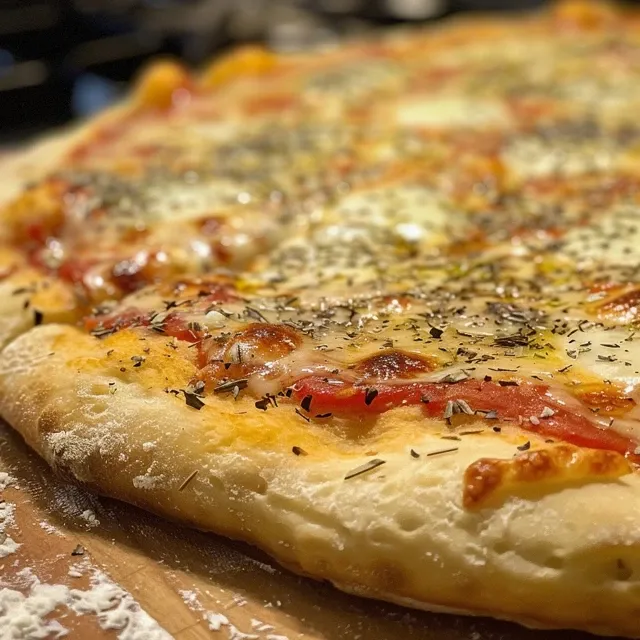
Embrace the Joy of Homemade Gluten Free Pizza Dough
Cooking should never feel overwhelming, and making your own gluten free pizza dough is a perfect way to embrace the joy of home cooking. This recipe is not only simple but also rewarding, allowing you to create a delicious, comforting pizza that everyone can enjoy—gluten-free or not. Let’s dive into the world of gluten free pizza dough, where flavor and texture come together beautifully.
Why You’ll Love This Recipe
- Simple Ingredients: This recipe utilizes common pantry staples, making it accessible and easy to whip up any day of the week.
- Quick Preparation: With just a little active time and some resting, you’ll have fresh pizza dough ready to bake in no time.
- Customizable: The dough can be tailored to your taste—choose your favorite toppings and sauces for the perfect pizza experience.
- Perfect Texture: Achieve a crust that is crispy on the outside and soft on the inside, giving you that pizzeria feel right at home.
- Family-Friendly: This recipe is great for gatherings, allowing everyone to create their own personalized pizzas.
Ingredients You’ll Need
To create the perfect gluten free pizza dough, you’ll need the following ingredients:
- 1 packet instant yeast: This is essential for leavening; it allows the dough to rise without the lengthy proofing time of active dry yeast.
- 3/4 cup + 2 tablespoons warm water: Warm water activates the yeast, helping the dough rise effectively. Aim for 110-115°F.
- 1 tablespoon white sugar: This adds a touch of sweetness and helps the yeast activate.
- 2 1/2 cups gluten free all-purpose flour with xanthan gum: A mix designed for gluten free baking, ensuring a good structure and texture.
- 1 teaspoon salt: Enhances flavor and strengthens the dough.
- 1 teaspoon baking powder: Provides extra lift and a lighter texture.
- 5 tablespoons olive oil: Adds richness and moisture to the dough.
- 1 egg: Acts as a binder, providing stability to the dough.
- 1 teaspoon vinegar (white or apple cider): Helps improve the dough’s structure and adds a slight tang.
How to Make Gluten-Free Pizza Dough
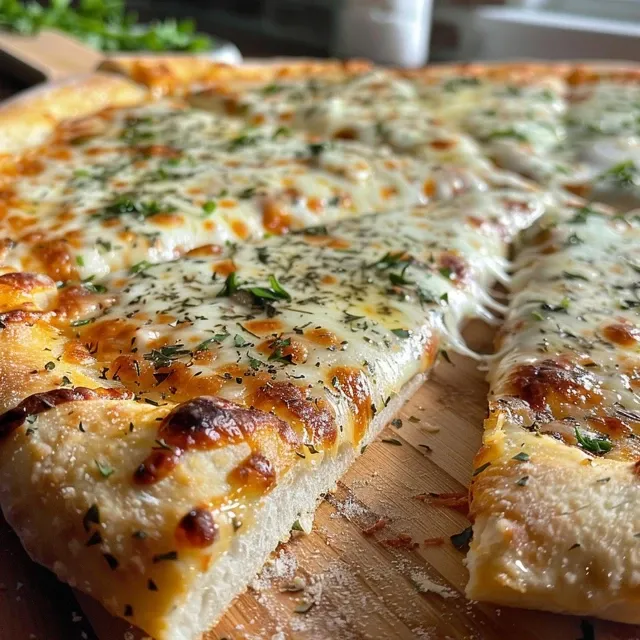
Follow these steps for a delicious homemade gluten free pizza crust:
- Microwave the water for about 30 seconds until it reaches 110-115°F. Be careful not to overheat it, as hot water will kill the yeast.
- Mix in the sugar and instant yeast, stirring gently. Let the mixture sit for about 5 minutes until it bubbles—this indicates the yeast is activated.
- In a separate bowl, whisk together the gluten free flour, baking powder, and salt.
- Add the whisked egg, vinegar, olive oil, and the yeast mixture to the dry ingredients. Mix with a wooden spoon or rubber spatula until a sticky dough forms.
- Cover the bowl with plastic wrap and a towel, placing it in a warm area to rise for 1 hour. A turned-off oven works well.
- After an hour, preheat your oven to 425°F and let the dough chill in the fridge for an additional 15 minutes. This makes it easier to roll out.
- Place the dough on a floured piece of parchment paper. Knead in 1-2 more tablespoons of flour until a smooth ball forms. Avoid adding too much flour; just enough to reduce stickiness.
- Use a floured rolling pin to roll the dough into a roughly 12-inch circle. Keep it thick for a hearty crust or thinner for a more delicate bite.
- Brush the top generously with olive oil and bake for 12 minutes.
- Remove from the oven, add your favorite sauce and toppings, and bake for an additional 8-12 minutes. Adjust baking time for crispier or doughier preferences.
- Let cool for a few minutes, slice, and enjoy your homemade gluten free pizza!
Pro Tips for Perfect Gluten Free Pizza Dough
- Warm Water Temperature: Ensure the water is warm, not hot. Ideal temperature is around 110-115°F to activate the yeast without killing it.
- Don’t Skip the Rising: Allowing the dough to rise is crucial for texture. If you’re short on time, a warm spot can speed up this process.
- Resting in the Fridge: Chilling the dough makes it easier to handle. Aim for at least 15 minutes.
- Flour Your Surface: Use gluten free flour to dust your work surface and rolling pin to prevent sticking.
- Experiment with Thickness: Adjust the thickness of your crust based on your preference—thicker for a more filling pizza, thinner for a crispier result.
- Brush with Olive Oil: Brushing the crust with olive oil before baking helps achieve a golden, crispy finish.
- Check Your Oven: Ovens can vary, so keep an eye on your pizza as it bakes to avoid burning.
- Allow to Cool: Let the pizza sit for a few minutes after baking to let the cheese set and make slicing easier.
Common Mistakes and Troubleshooting
Even the most seasoned cooks can run into issues. Here are some common mistakes and how to avoid them:
- Dough is Too Sticky: If your dough remains sticky after kneading, gradually add more flour until it reaches a workable consistency.
- Dough Doesn’t Rise: Ensure your yeast is fresh and that you’ve warmed the water correctly. If it’s too cold, the yeast won’t activate.
- Crust is Too Hard: Overbaking can lead to a tough crust. Keep an eye on your pizza and adjust baking times as necessary.
- Flat Pizza: If your pizza doesn’t rise, it may need more time in a warm place. Don’t rush the rising process.
Creative Variations
Don’t be afraid to get creative with your pizza dough! Here are some fun variations:
- Herbed Dough: Add dried herbs like oregano or basil to the flour mixture for added flavor.
- Cheesy Crust: Mix in 1/2 cup of shredded cheese into the dough for a richer flavor and texture.
- Garlic Infusion: Incorporate minced garlic into the olive oil brushed on top for a fragrant, savory crust.
- Spicy Kick: Add red pepper flakes to the dough for a bit of heat in your crust.
Storage and Make-Ahead Instructions
If you’re looking to prepare in advance, here are some tips:
- Freezing Dough: After kneading, wrap the dough tightly in plastic wrap and place it in an airtight container. It can be frozen for up to 3 months. Thaw overnight in the fridge before using.
- Prepared Pizza Crusts: Pre-bake the crust for 6-8 minutes, let it cool, then wrap tightly and freeze. When ready to use, add toppings and bake directly from the freezer.
Nutritional Tips and Dietary Adaptations
This recipe can easily be adjusted to meet various dietary needs:
- Low Carb: Substitute gluten free flour with a low-carb blend, such as almond flour or a cauliflower crust for a lighter option.
- Dairy-Free: Use a dairy-free egg substitute or omit the egg entirely; the dough will still hold together.
- Vegan: Replace the egg with a flaxseed egg (1 tablespoon ground flaxseed mixed with 2.5 tablespoons water) for a vegan-friendly option.
Equipment Recommendations
For a seamless cooking experience, consider these essential tools:
- Mixing Bowls: A set of various sizes for mixing ingredients comfortably.
- Rolling Pin: A sturdy rolling pin helps you achieve an even thickness for your crust.
- Parchment Paper: Ideal for rolling out dough and prevents sticking during baking.
- Baking Sheet or Pizza Stone: A pizza stone retains heat better than a pan, giving you a crispier crust.
Serving Suggestions
Once your pizza is baked to perfection, here are some delicious ways to enjoy it:
- Classic Margherita: Top with tomato sauce, fresh mozzarella, and basil for a timeless favorite.
- Pesto Delight: Use pesto as your base and add roasted vegetables and feta cheese for a unique twist.
- Meat Lovers: Load up with pepperoni, sausage, and bacon for a hearty meal.
- Veggie Paradise: Pile on your favorite veggies like bell peppers, mushrooms, and spinach for a colorful and nutritious option.
Frequently Asked Questions
Here are answers to some common inquiries about gluten free pizza dough:
- Can I use regular flour instead? No, this recipe is specifically designed for gluten free flour, which has different properties.
- How long can I store the dough? Unused dough can be stored in the fridge for up to 3 days or frozen for up to 3 months.
- Can I make this dough without yeast? Yes, you can create a quick flatbread-style crust using baking powder instead of yeast.
- What if my dough is too dry? Add a tablespoon of warm water at a time until the desired consistency is achieved.
- Is this dough suitable for freezing? Yes, the dough freezes well; just make sure to wrap it tightly.
- Can I use a stand mixer? Absolutely! A stand mixer with a dough hook can make mixing easier.
- How do I know when my pizza is done? The crust should be golden brown and the cheese bubbly and slightly browned.
- Can I make mini pizzas with this dough? Yes, divide the dough into smaller portions for personal-sized pizzas!
With this comprehensive guide, you are now ready to embark on your gluten-free pizza-making journey! Remember, cooking is about enjoying the process and savoring the flavors. So, gather your ingredients, take your time, and most importantly, have fun creating delicious meals that nourish both body and soul.
Gluten Free Pizza Dough
Ingredients
Dough
- 1 packet instant yeast
- 3 4 cup water (warm, 110-115°F)
- 2 tablespoons white sugar
- 2 1 2 cups gluten free all purpose baking flour with xanthan gum
- 1 teaspoon salt
- 1 teaspoon baking powder
- 5 tablespoons olive oil
- 1 egg egg
- 1 teaspoon vinegar (white or apple cider)
Instructions
- Warm the water to 110-115°F, then mix with sugar and yeast; let sit 5 minutes.
- Whisk together flour, baking powder, and salt; add egg, vinegar, olive oil, and yeast mixture.
- Mix until a sticky dough forms, then cover and let rise in a warm place for 1 hour.
- Preheat oven to 425°F, chill dough for 15 minutes, then knead with additional flour to form a smooth ball.
- Roll out dough to 12-inch circle, brush with olive oil, and bake for 12 minutes.
- Add toppings and bake an additional 8-12 minutes, then cool, slice, and serve.