
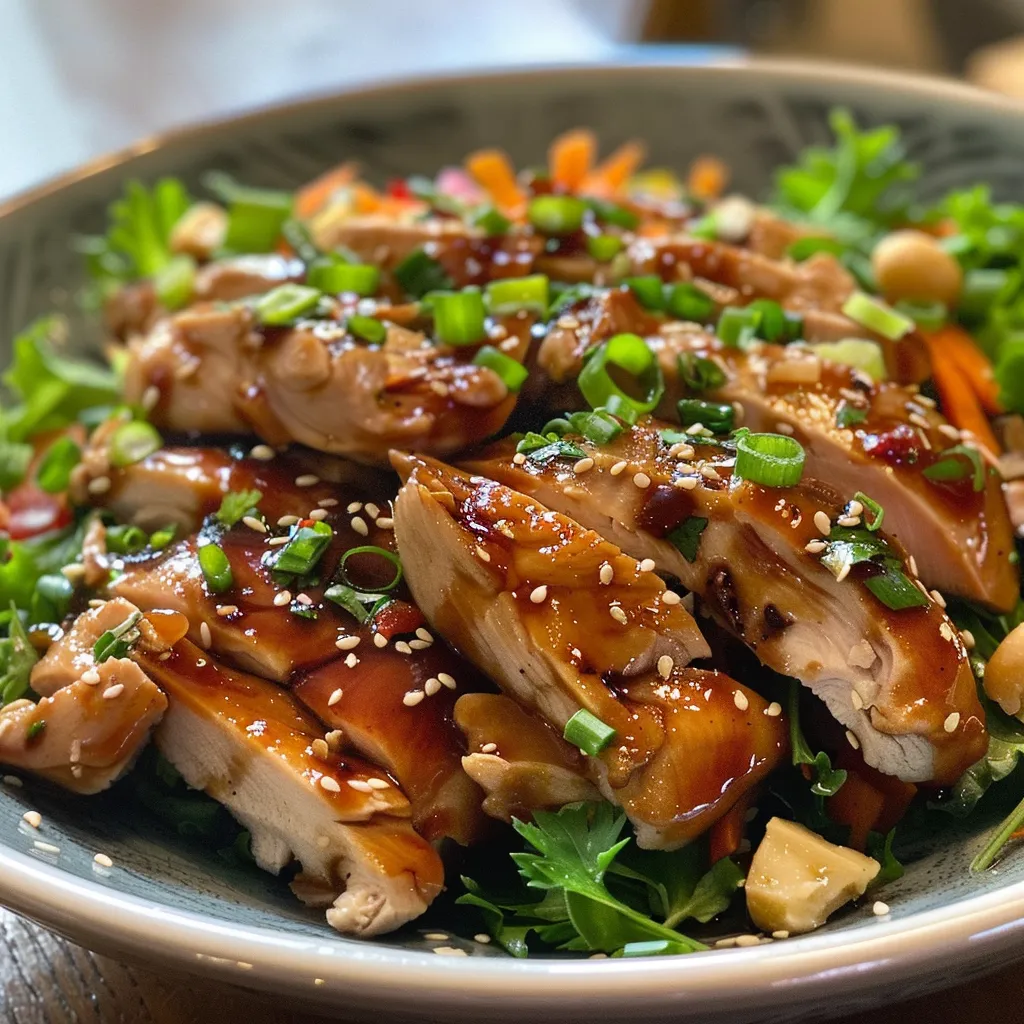
Discover the Joy of Cooking with Teriyaki Chicken
Welcome to your next culinary adventure! This easy teriyaki chicken recipe is not just a dish; it’s a celebration of flavors and simplicity. With just a handful of ingredients, you can create a delightful meal that warms the heart and satisfies the palate. Whether you’re a seasoned chef or a kitchen novice, this recipe is designed to be approachable, ensuring that anyone can whip up this delicious poulet teriyaki in no time.
Why You’ll Love This Recipe
This teriyaki chicken is more than just a meal; it’s an experience. Here are a few reasons to fall in love with this dish:
- Quick and Easy: With minimal prep and cooking time, you can have dinner ready in under 30 minutes.
- Flavorful and Satisfying: The combination of soy sauce, ginger, and garlic creates a rich, savory profile that is sure to impress.
- Customizable: This recipe allows for numerous variations, so you can adjust it to your taste or dietary preferences.
- Perfect for Meal Prep: Cook a large batch and enjoy it throughout the week; it stores beautifully!
- Family-Friendly: Kids and adults alike will love the sweet and savory flavors of this teriyaki chicken.
Ingredient Breakdown
Understanding your ingredients is key to a successful dish. Here’s what you’ll need for your teriyaki chicken:
- 500 g de poitrine de poulet: Opt for fresh chicken breast for tenderness. You can substitute with chicken thighs for a richer flavor.
- 60 ml de sauce soja: Choose a high-quality soy sauce as it forms the base of the marinade. Low-sodium soy sauce is an excellent alternative.
- 30 ml de mirin: This sweet rice wine adds depth; if unavailable, mix white wine with sugar as a substitute.
- 30 g de sucre: Brown sugar can enhance the caramelization and add a hint of molasses flavor.
- 1 gousse d’ail: Fresh garlic is essential for a punch of flavor. Don’t skimp on this!
- 1 cuillère à café de gingembre frais râpé: Fresh ginger brings warmth and spice to the dish.
- 2 cuillères à soupe d’huile de sésame: This adds nutty flavor and helps achieve that perfect sear.
- Graines de sésame et oignons verts: For garnishing, these add a delightful crunch and visual appeal.
How to Make Teriyaki Chicken
Let’s dive into the cooking process! Follow these simple steps:
- Cut the chicken breast into uniform pieces for even cooking.
- In a bowl, mix the soy sauce, mirin, sugar, minced garlic, and grated ginger. Stir until the sugar is dissolved.
- Add the chicken pieces to the bowl, ensuring they are well-coated. Marinate for at least 30 minutes.
- In a non-stick skillet or wok, heat the sesame oil over medium heat.
- Add the marinated chicken and cook for about 5-7 minutes on each side until golden and cooked through.
- Increase the heat slightly in the last few minutes to caramelize the chicken.
- Remove the chicken from the skillet and let it rest for a few minutes.
- Reduce the remaining marinade over medium heat until syrupy.
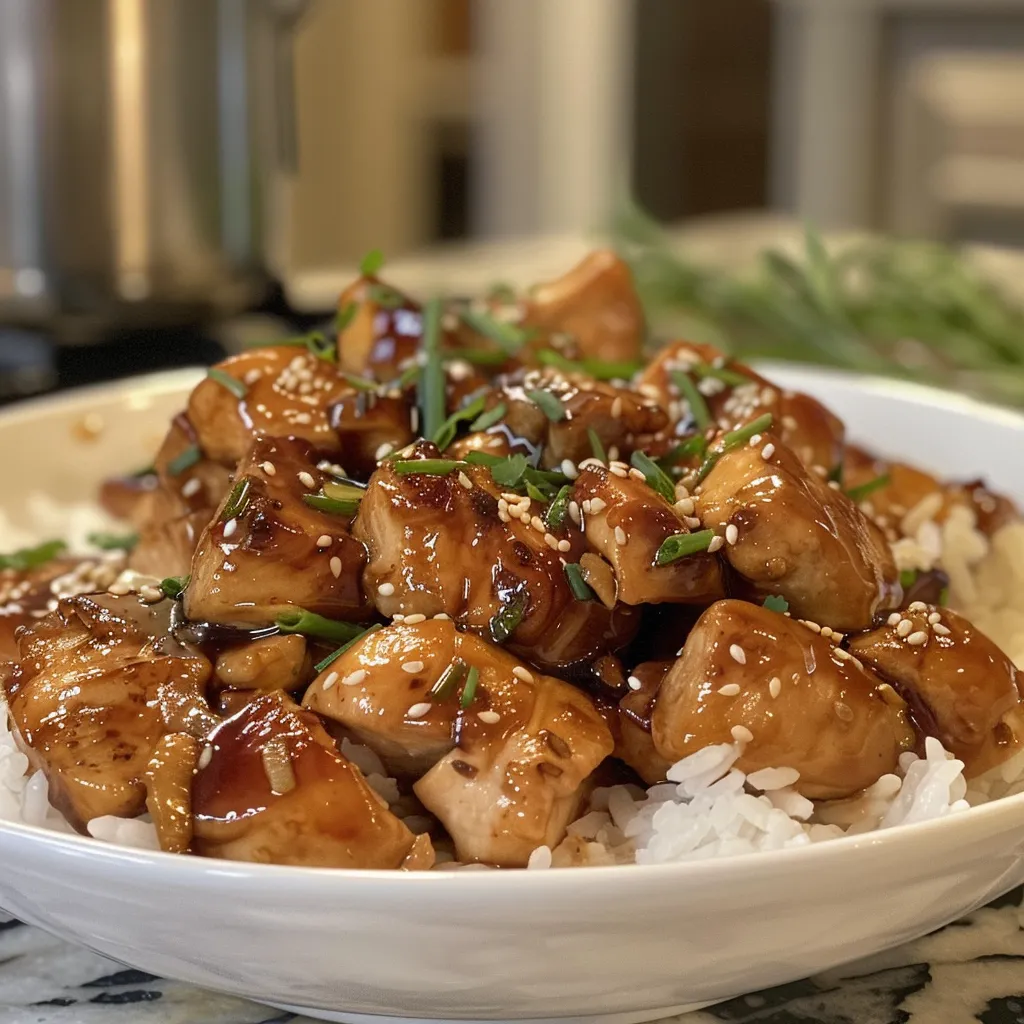
- Serve the chicken hot, drizzled with the reduced marinade, and topped with sesame seeds and chopped green onions.
Pro Tips for Perfect Teriyaki Chicken
Elevate your cooking with these expert insights:
- Marination Time: The longer you marinate, the more flavor your chicken will absorb. Aim for 1-2 hours if possible.
- Don’t Overcrowd the Pan: Cooking in batches can help achieve that golden sear without steaming the chicken.
- Use a Meat Thermometer: For perfectly cooked chicken, ensure the internal temperature reaches 75°C (165°F).
- Adjust the Sweetness: Feel free to modify the sugar based on your personal taste; honey can also be a great alternative.
- Experiment with Seasonings: Try adding chili flakes for a spicy kick or a splash of rice vinegar for acidity.
- Don’t Waste the Marinade: Reduce it to a glaze for serving; it’s packed with flavor!
- Serve with Sides: Pair with rice and stir-fried vegetables for a complete meal.
- Make It a Bowl: Transform your teriyaki chicken into a rice bowl with fresh veggies and avocado.
Common Mistakes and Troubleshooting
Even the best chefs make mistakes! Here’s how to avoid common pitfalls:
- Dry Chicken: Avoid overcooking the chicken; it should be juicy and tender.
- Too Salty: If using regular soy sauce, consider cutting it with water or low-sodium alternatives.
- Not Enough Sauce: Double the marinade ingredients if you prefer a saucier dish.
- Caramelization Issues: Ensure the skillet is hot enough before adding chicken to achieve a nice caramelized coating.
Variations to Explore
Get creative with these fun twists on the classic poulet teriyaki:
- Pineapple Teriyaki Chicken: Add fresh pineapple chunks to the skillet for a sweet and tangy version.
- Vegetarian Teriyaki: Substitute chicken with tofu or tempeh for a plant-based option.
- Spicy Teriyaki Chicken: Incorporate sriracha or chili paste into the marinade for heat.
- Teriyaki Chicken Tacos: Serve the chicken in soft tortillas with fresh salsa for a fun twist.
Storage and Make-Ahead Instructions
This recipe is perfect for meal prep:
- Refrigerate: Store leftovers in an airtight container for up to 3 days.
- Freeze: Freeze marinated chicken for up to 2 months. Thaw in the fridge before cooking.
- Reheat: Heat leftovers gently in a skillet or microwave until warmed through.
Comprehensive FAQ
Here are some frequently asked questions to ensure your success:
- Can I use frozen chicken? Yes, just ensure it’s fully thawed before marinating.
- What if I don’t have mirin? A mix of white wine and sugar can be a good substitute.
- Can I make this recipe gluten-free? Use tamari instead of soy sauce for a gluten-free option.
- How can I add vegetables? Stir-fry vegetables like bell peppers or broccoli alongside the chicken for a one-pan meal.
- Is teriyaki chicken spicy? No, it’s sweet and savory, but feel free to add spices if you prefer heat.
- What can I serve with teriyaki chicken? It pairs wonderfully with rice, noodles, or steamed vegetables.
- Can I use a different protein? Absolutely! This recipe works well with pork, beef, or even seafood.
- How do I know when the chicken is done? The internal temperature should reach 75°C (165°F) for safe consumption.
Nutritional Tips and Dietary Adaptations
This dish is not only delicious but can be tailored to meet various dietary needs:
- Low-Carb: Serve with cauliflower rice instead of regular rice.
- Low-Sodium: Opt for low-sodium soy sauce and reduce the added sugar.
- High-Protein: Pair with quinoa for a protein boost.
Essential Equipment Recommendations
To make your cooking experience seamless, consider these kitchen tools:
- Non-Stick Skillet: Ideal for achieving that perfect sear without sticking.
- Meat Thermometer: Ensures your chicken is cooked perfectly every time.
- Mixing Bowls: For marinating and mixing ingredients efficiently.
Serving Suggestions
Present your teriyaki chicken with flair:
- Rice: Serve over fluffy jasmine or brown rice.
- Vegetables: Pair with steamed or stir-fried vegetables for a colorful plate.
- Garnishes: Finish with sesame seeds and sliced green onions for a fresh touch.
Cooking is about finding joy in the process, and this teriyaki chicken recipe is designed to do just that. It’s straightforward, flavorful, and perfect for any occasion. So gather your ingredients, embrace the simplicity, and enjoy the delightful aromas that fill your kitchen. Let this dish remind you that great meals can come from simple beginnings. Happy cooking!
Teriyaki Chicken
Ingredients
Protein
- 500 g poitrine de poulet
- 60 ml sauce soja
- 30 ml mirin
- 30 g sucre
- 1 gousse ail (haché)
- 1 cuillère à café gingembre frais râpé
- 2 cuillères à soupe huile de sésame
- Graines de sésame
- Oignons verts
Instructions
- Coupez le poulet en morceaux et faites mariner dans la sauce soja, mirin, sucre, ail haché et gingembre 30 min.
- Chauffez l'huile de sésame dans une poêle, puis faites cuire le poulet 5-7 min de chaque côté jusqu'à dorure.
- Augmentez le feu pour caraméliser, puis retirez le poulet et laissez reposer.
- Réduisez la marinade restante jusqu'à obtenir un sirop, puis nappez le poulet.
- Parsemez de graines de sésame et d'oignons verts, servez chaud avec du riz vapeur et légumes sautés.